Despite clear divide over Kosovo and past conflict, the future should be better for both countries if they work together toward their common European goal.
TIRANA TIMES EDITORIAL
TIRANA, Oct. 25 – Albania’s relationship with Serbia is perhaps more complicated than that with all other neighbors. Geography has made the countries neighbors, but it hasn’t been an easy coexistence. The large number of ethnic Albanians living under Serb rule — often oppressed — had been the main divide, reaching it’s lowest point when the regime of Slobodan Milosevic perpetrated mass murder against ethnic Albanian during the bloody conflict that led to independence for Kosovo.
However, with Kosovo now an independent state, the Balkans largely stable and moving toward EU membership, it is time for Albanians and Serbs to move forward with a better relationship, one founded on common interests and European goals.
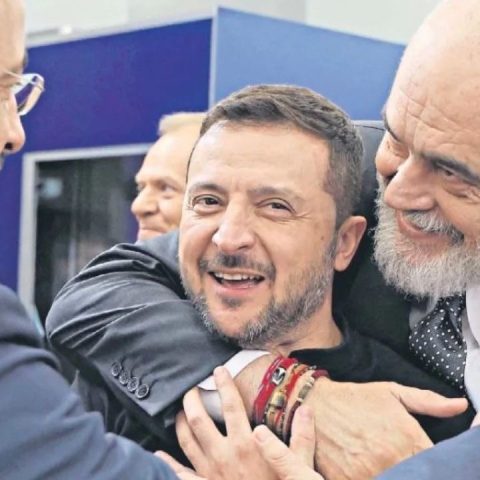
The visit to Tirana by the Serb foreign minister and other visits by his Albanian counterparts to Belgrade are good steps toward that goal. The Serb foreign minister’s visit this week was a positive development that places the relationship on the right track. Despite different views that the two countries may have on key issues, for example, Kosovo, dialogue and cooperation are important.
Albania’s representation has also been up to par. The Albanian foreign minister’s public comments following the meeting were clear in protecting the interests of Albania and at the same time reflected Western attitudes. He rightly mentioned that for Serbia, and other Balkan countries, it is important to leave the past behind and work toward European integration and reconciliation. That’s a very European attitude and stands at the basis of modern European culture.
Hiding problems in bilateral relations with important Balkan countries like Serbia or Greece does not serve anything. And this is the second time that the Albanian foreign minister of Albania comes out in public with clear and complete stances.
The Albanian foreign minister also acted on pressing and touchy issues during his recent visit to Greece, making sure Albanian diplomacy fully represents Albanian concerns.
Albania must conduct itself in accordance with its interests, but at the same time, Albania is a NATO member country and must behave as one with the countries in the region.
Of course, when it comes to Serbia not much is easy in Albania. There were plenty of protests from the growing nationalist groups in Albania.
Albania is a free country and these protests are part of that freedom, but they should also be seen in the context of the next elections, and the profile of some political parties in Albania, like the Red and Black Alliance, which gets its support from nationalists causes.
But working toward a better relationship doesn’t mean issues like Kosovo or Albanians in Southern Serbia should be put aside.
It remains to be seen how sincere Serbia is in its policies and in its dialogue with Kosovo, a product of EU pressure. It is also difficult to say whether we are dealing with substantial change in Serbian policy, for so long as, for example, the Serb president continues to talk about Kosovo – now an independent state – as a region that still belongs to Serbia.
However, talking and pressing your points doesn’t hurt. Both Albania and Serbia are aiming to improve their relations – and move forward toward a common European future. Albanians should not forget the past, and the Serbs should do a better job acknowledging it, but the future should be better for both if the spirit of cooperation continues.