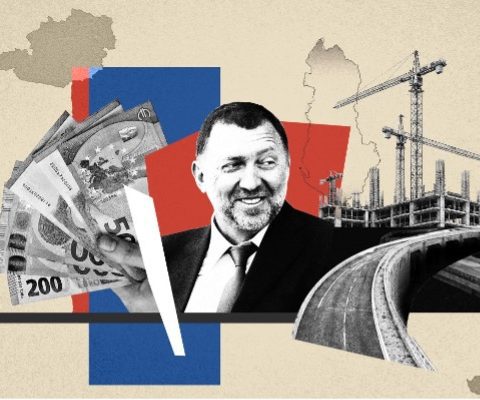
A recent Transparency International report, “People and Corruption: Europe and Central Asia” unfortunately places Albania once again among the states with high corruption levels in Eastern Europe, demonstrating through the citizens’ responses extraordinary levels of involvement in bribery, very negative perceptions about lawmakers as well as feeble trust that things will change.
One in three families in Albania, according to the report, had to give a bribe in order to access basic public services, a bitter reality that requires focused attention and intervention to change.
Reports about perceptions and experience of corruption in countries like Albania testify to the immense strength of the vicious cycle of corruption. In that, they rarely surprise anyone. However from year to year trends change and new realities surface which merit attention.
In this year’s TI report, what strikes is the perception about members of Parliament. The responses of the 1,500 interviewed citizens point to this branch of the political class in Albania as among the very corrupted. This level of concern and contempt about those who are supposed to make the laws, including laws against corruption, in the country is at least disheartening. The deterioration of trust in the Parliament should be seen also through the optics of the need to decriminalize the institution.
The electoral process of next year is an important test in this regard.
Additionally this year’s report the efforts of the executive to combat corruption are acclaimed. However, one is perplexed by the obvious irony of this: The efforts are laudable yet the phenomenon is still rampant and few improvements appear. This signals that the system is held in place by several pillars. Hence, the need to move quicker with the implementation of the justice reform becomes clear. However, in the upcoming electoral year, the increasing political conflict will most likely present more obstacles to the practical steps of the reform.
Another persisting trend is the perceived difficulty or low acceptability of witnessing against corruption and denouncing those involved in it. To address this particular feature, the measures to be taken should be mostly involved with changing awareness and creating a different kind of sensibility about the impact of corruption on wellbeing. This means changing a social cultural element through better investment in education, information and activism.
Corruption is a tough phenomenon that feeds itself perpetually and also thrives in the absence of accountability and in the presence of impunity. However its stealth can and should be fought with additional steps that go beyond the usual patchwork measures.
The systemic fight against corruption will determine the progress that Albania achieves in its European integration effort for many years to come, throughout the process of accession negotiations. Showing a positive track record in this regard means we need to work for different results in the future reports to come.