
BRUSSELS, Nov. 18 – A Gallup poll indicated Albania and Kosova expressed strong approval to the EU membership.
The prospect of joining the European Union strikes wildly varying reactions among citizens in the western Balkan nations.
Approval ratings in Albania and Kosova were at least 83 percent but only 29 percent of Croats said they thought joining the EU would be a good thing though Croatia is the furthest along of the Balkan nations on the road to membership.
Albania is much less advanced in its EU aspirations.
Kosovar and Albanian respondents to the survey felt the most ‘wanted’ by the EU, both by its institutions (respectively 82% and 67%), and by its citizens (75% and 55%).
The strong pro-EU sentiment in Kosova in particular is “a necessary naivety that people need to have in order to go through the difficult process [of EU integration],” Veton Surroi of Kosovo’s Koha Ditore newspaper told a conference on Monday.
The fact that they feel so wanted also “speaks well of the European Union’s PR” and “derives from the lack of knowledge about the whole process,” he added.
Giuliano Amato, former Italian prime minister and former chair of the International Commission on the Balkans, said the pro-EU feelings in the region could only be cultivated in the long run if the countries would be offered something concrete in return for their efforts to carry out the EU-required reforms.
Simply “keeping [them] busy in a bureaucratic way” becomes too long after a while and “a sense of urgency has to be restored somehow” to give the whole process a real meaning, Amato argued.
One way to do this, according to him, would be further relaxation of the EU’s visa policy towards the western Balkan countries.
On the International Crime Tribunal for the Former Yugoslavia (ICTY), a majority of Albanians (69%) and Kosovars (68%) said the tribunal was helping reconciliation and strengthening peace in the region.
Additionally, in all countries, but Albania and Kosova, less than a third of the respondents thought the court’s proceedings were impartial and their outcome was open.
The survey was carried out in September and October in all western Balkan nations and included 1,000 people per country in face-to-face interviews.
EU opinions vary widely in Balkans

Change font size:

Latest from News

Milošević’s Language Returns to Serbia’s Government
Change font size: - + Reset Ethnic Cleansing Remark Tests Serbia’s Claim to Have Broken With Milošević A Serbian minister’s declared willingness to expel Kosovo Albanians has drawn condemnation across the region
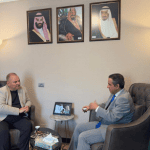
Saudi Ambassador Meets Head of Albania–Saudi Parliamentary Friendship Group
Change font size: - + Reset Tirana Times, July 6,2026 – Saudi Arabia’s Ambassador to Albania, H.E. Turki bin Ibrahim Al-Madi, received Albanian MP Baldi Çomo, Chairman of the Albania–Saudi Arabia Parliamentary Friendship

Anti-Government Protests Escalate in Tirana as Demonstrators Block Parliament
Change font size: - + Reset Tirana Times, July 03, 2026 – Albania’s month-long anti-government protest movement entered a more confrontational phase on Thursday, as demonstrators gathered outside Parliament, blocked access points
Are Europe’s Star Architects Helping Launder Albania’s Criminal Economy?
Change font size: - + Reset The Albanian Files suggests that international architecture may have served not only as design, but as a prestigious façade for opaque money, captured institutions and one-man
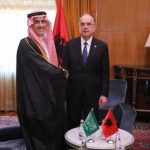
Saudi Ambassador Presents Credentials To Albanian President As Ties Gain Momentum
Change font size: - + Reset Tirana Times, June 05, 2026 – Saudi Arabia’s new ambassador to Albania, Turki Ibraheem Almadhi, presented his credentials to President Bajram Begaj, marking the formal start