
Tirana. Italo-Greek War (continued). Judging from the feedback I got, I realised that I had aroused interest in this subject of the Albanians in this war between Italy and Greece that took place on Albanian territory, so I decided I would enlarge on the subject further.
The first photo is outright propaganda. It is a shot of an Italian officer lifting the cigarette of a Greek prisoner of war. The well clad Italian officer makes a striking contrast with the petrified Greek captive, poorly dressed and with shaven head against the lice. What makes this snapshot even more interesting is the location chosen to have it taken. In fact, the group of Military have posed for the photograph, on the terrace of the Military Command of the City, today the City Hall of Tirana. In the background you can see the cupola and the minaret of the Mosque of Et’hem Bey. Photographs of this kind are quite commonly found, produced during different wars and conflicts all over the world, which served the purpose of highlighting to the rest of the world the supremacy of the victor and the humane treatment they showed their prisoners of war. It is a known fact that, in general, the Italians were “incapable” of maltreating their prisoners of war, a “weakness” which the Germans would later on compensate for, with their Teutonic aggressiveness that brought Greece and Yugoslavia to their knees within two weeks. From the attire and the strong sunlight, it appears that this shot was taken towards the end of the conflict, perhaps Spring of 1941. The second photograph has also been taken for propaganda purposes, quite routinely taken during conflicts. The war had been raging for about twenty days now and all signs indicated that things were not progressing well for the Italians. Mussolini, feeling the responsibility of becoming embroiled in this conflict which he had thought would endure for two weeks, delivered a speech in Rome before the entire fascist hierarchy of Italy. He tries to give them courage and fire their enthusiasm. Naturally, the speech, rendered into the Albanian was also printed in the local papers of the time. In this case, there are two peasants from the Tirana district “reading” the speech of Il Duce, published in the paper “Tomorri”. I say “reading” because anyone can see that it is highly unlikely that the two peasants know how to read and write, let alone understand any of the phrases, embossed with the imperial frills Mussolini used. However, Il Duce’s speech is all laid out nicely for the public to read, as was the custom in those times. Il Duce’s famous expression is in the newspaper, “We will break the bones of Greece.”!
Forsaken Albania

Change font size:
Recommended Articles

Latest from Features
Canada’s Local Partnerships Drive Change Across Albania
Change font size: - + Reset Tirana Times, June 01, 2026 – As Albania continues to strengthen democratic governance, promote inclusive growth, and support sustainable community-driven development, Canada is positioning itself as

Transforming friendship into a strategic partnership: the common challenge for Italy and Albania
Change font size: - + Reset Tirana Times, May 28, 2026 – The importance, depth and complexity of relations between Albania and Italy can never be overstated. Just over one year after
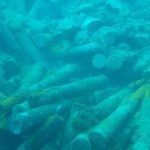
Unexploded Ordnance Puts Jared Kushner’s Resort in Albania at Risk
Change font size: - + Reset The government has paved the way for the construction of a resort on the island of Sazan, but beneath its crystal-clear waters and along its rocky

The 5Ps of Service Excellence: A Practical Roadmap for Albanian and Western Balkan Service Providers
Change font size: - + Reset By Professor Alaa Garad Tirana Times, April 07, 2026 – In my earlier article for Tirana Times, I described Albania as a country that moves from

Building a Trusted Health Tourism Ecosystem: Albania’s Next Competitive Advantage
Change font size: - + Reset by Professor Alaa Garad Tirana Times, March 17, 2026 – There are countries you visit, and there are countries you remember. Albania is rapidly becoming the