
TIRANA, May 5 – A very difficult, often violent and nasty – these could be the words to characterize the electoral campaign for the May 8 local elections.
The political parties have raised the people’s adrenaline so much that one could say they are lucky not to suffer any graver incident.
There have been explosions, beatings of political rivals, burning of the parties’ flags, different forms of threats physical or verbal and many injured persons.
The campaign moved from the meetings at the closed halls into the squares of the cities. Political leaders are always accompanied by groups of militants with flags and loud shouts, ready to strongly react to any opponence at the site. As known all these activities bloc the life in those areas for some hours.
Why?
The political parties have invested so much for the electoral campaign. It will never be learnt the total figure for each political party, despite the alleged transparency. Posters and advertisement, financial cost of the trips and the rallies are all at a total cost that could be a big help to the country’s economy if managed differently.
It is really not worth spending so much money and energy on the local elections. It would have been better if the electoral campaign would be restricted to just one day when candidates for the posts at the town halls or the communes would introduce their projects.
Digital campaigning, that is a new method used this time by almost all the candidates, especially those in the big cities. Basha, has come under fire for allegedly using data collected by the Ministry of Interior to distribute electoral propaganda. Hundreds if not thousands of text messages have been sent from Basha during his campaign.
The Socialist opposition has accused former interior minister of using data collected when citizens apply for identity documents for electoral purposes.
Basha, meanwhile, has denied the allegations, saying that the data used for the text messages had been collected by the ruling Democratic Party through direct contacts with voters and social networks and not from the Ministry of Interior.
Harsh and violent electoral campaign

Change font size:

Latest from News
Milošević’s Language Returns to Serbia’s Government
Change font size: - + Reset Ethnic Cleansing Remark Tests Serbia’s Claim to Have Broken With Milošević A Serbian minister’s declared willingness to expel Kosovo Albanians has drawn condemnation across the region
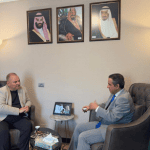
Saudi Ambassador Meets Head of Albania–Saudi Parliamentary Friendship Group
Change font size: - + Reset Tirana Times, July 6,2026 – Saudi Arabia’s Ambassador to Albania, H.E. Turki bin Ibrahim Al-Madi, received Albanian MP Baldi Çomo, Chairman of the Albania–Saudi Arabia Parliamentary Friendship

Anti-Government Protests Escalate in Tirana as Demonstrators Block Parliament
Change font size: - + Reset Tirana Times, July 03, 2026 – Albania’s month-long anti-government protest movement entered a more confrontational phase on Thursday, as demonstrators gathered outside Parliament, blocked access points
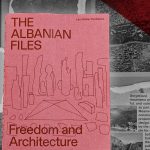
Are Europe’s Star Architects Helping Launder Albania’s Criminal Economy?
Change font size: - + Reset The Albanian Files suggests that international architecture may have served not only as design, but as a prestigious façade for opaque money, captured institutions and one-man
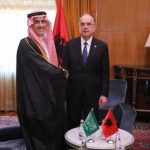
Saudi Ambassador Presents Credentials To Albanian President As Ties Gain Momentum
Change font size: - + Reset Tirana Times, June 05, 2026 – Saudi Arabia’s new ambassador to Albania, Turki Ibraheem Almadhi, presented his credentials to President Bajram Begaj, marking the formal start