When institutions disagree over diplomatic nominations, the public arena is not always the best place to push a political agenda, particularly when it concerns the military
Albania’s Presidency, the Ministry of Defense, the Armed Forces’ General Staff and the top military representative to NATO have been involved in a very public and embarrassing spat over the past week, which could have been handled a lot better by all those concerned.
What has ensued, with public accusations and counter-accusations, leaked documents and personal threats has been an embarrassment for this country, which is even more concerning than usual because its involves one of its most cherished institutions – NATO and the Albanian armed forces.
The spat came after the Defense Ministry and the Armed Forces Chief of Staff ordered Rear Admiral Kristaq Gerveni to leave his current position as Albania’s top military representative at NATO headquarters and return to Albania for reassignment because his term had expired. The ministry had also nominated his replacement.
It appeared, however, that no one consulted the country’s president, who is constitutionally the head of the armed forces and is in charge of approving all ambassadors and diplomatic representatives, working together with the government on proposals.
Gerveni said he was not leaving his post unless ordered to do so by the president, a stance the presidency backed. He has spoken out publicly and sought and won a court injunction to avoid immediate sacking from the armed forces for not following the orders of his superiors.
This came after there were were threats of disciplinary action, planting of unflattering media stories, leaks of personal emails and public accusations – all of which place the Albanian state and its representatives in a rather embarrassing light. (See article on page 5.)
The conflict here is clearly not just about procedure and jurisdiction. It is not even about the person in question. It is political. And it is a turf war being fought not just about this particular case, but in a series of diplomatic placements between President Nishani, a former official of the opposition Democratic Party, and the Socialist-led government.
It is part of a wider problem. With some exceptions, Albania’s diplomatic service – like the country’s civil service in general — is a mess, full of people placed there not due to their abilities, but rather due to their political or familial affiliations.
That in itself is doing the country a disservice. But airing the dirty laundry in a very public international setting is doing the country a greater disservice in this case because it is hurting its image in one of the few areas it can be proud of – the armed forces and NATO.
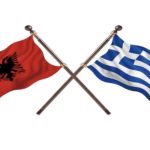
Gerveni is not the most popular person in Albania. As someone who was involved in the controversial maritime border discussions with Greece, he is disliked by many and seen to have given away too much. But he is clearly also being targeted for removal for political reasons by the government through leaks to government-friendly media outlets on several occasions, as was the case of him allegedly wearing the wrong rank on his uniform in a NATO meeting and with a leak this week of a request for recommendation letter for a NATO civilian post he wants to occupy after he leaves military service in Albania.
At the end of the day, this is not about Gerveni. It is about how Albanian state institutions operate, cooperate and communicate. If what we have seen in this case is any indication, the Albanian state faces massive challenges in its ability to keep a dignified image in the eyes of the world. When institutions disagree over diplomatic nominations, the public arena is not always the best place to push a political agenda, particularly when it concerns the military.