
TIRANA, Dec. 14 – While Albania celebrates an agreement for a loan to build a new road, the World Bank representative in the country makes a strong warning to the authorities to cut investment in infrastructure or they could surpass the limit of 60 percent of the debt.
Kseniya Lvovksi said Wednesday in an interview to the private TV station Top Channel that authorities should make cuts in the investment in the infrastructure in order to keep the deficit below 60 percent. She said that with the figure of 59 percent more investment in infrastructure could be dangerous.
Last week Lvovski said that “At such times, it is crucial that measures to maintain macroeconomic stability and reduce public debt – another key priority for Albania – do not come at the costs of those in dire need.”
“Postponed large public investment into the construction of major infrastructure that the country clearly needs, while regretful, can be resumed and completed at a later date. Postponing investments in health and education, usually a fraction of those into infrastructure, risks leading to irreversible losses – in the quality and quantity of lives, in the competitive workforce – which may haunt the country for years,” she said.
It doesn’t seem that Tirana is listening to them, however. Instead, it continues to insist on increased salaries and pensions and more investment in infrastructure.
This week they signed an agreement with the Abu Dhabi Fund for Development (ADFD) to provide 183.5 million AED as a concessionary loan that will be used for the construction of the “Tirana-Elbasan” road project.
Albanian Finance Minister Ridvan Bode said: “This essential project would facilitate the smooth movement of individuals and vehicles between key cities, thus supporting the government’s plans to revitalize and expedite the social and economic progress.”
It is good that the government has increased cooperation with other countries and it has taken many loans from them recently. But one could also wonder if Albania will be capable of paying back such loans at a difficult financial time all over the world.
The International Monetary Fund has also consistently called on Tirana to cut expenses and not increase salaries.
For the moment Albanians are still not feeling any heavy shock from the world financial crisis; except for the much lower remittances and higher prices of the daily needs.
International community warns Albania of financial problems

Change font size:

Latest from News
Milošević’s Language Returns to Serbia’s Government
Change font size: - + Reset Ethnic Cleansing Remark Tests Serbia’s Claim to Have Broken With Milošević A Serbian minister’s declared willingness to expel Kosovo Albanians has drawn condemnation across the region
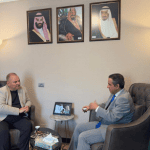
Saudi Ambassador Meets Head of Albania–Saudi Parliamentary Friendship Group
Change font size: - + Reset Tirana Times, July 6,2026 – Saudi Arabia’s Ambassador to Albania, H.E. Turki bin Ibrahim Al-Madi, received Albanian MP Baldi Çomo, Chairman of the Albania–Saudi Arabia Parliamentary Friendship

Anti-Government Protests Escalate in Tirana as Demonstrators Block Parliament
Change font size: - + Reset Tirana Times, July 03, 2026 – Albania’s month-long anti-government protest movement entered a more confrontational phase on Thursday, as demonstrators gathered outside Parliament, blocked access points
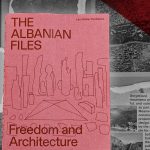
Are Europe’s Star Architects Helping Launder Albania’s Criminal Economy?
Change font size: - + Reset The Albanian Files suggests that international architecture may have served not only as design, but as a prestigious façade for opaque money, captured institutions and one-man
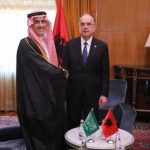
Saudi Ambassador Presents Credentials To Albanian President As Ties Gain Momentum
Change font size: - + Reset Tirana Times, June 05, 2026 – Saudi Arabia’s new ambassador to Albania, Turki Ibraheem Almadhi, presented his credentials to President Bajram Begaj, marking the formal start