TIRANA, May 25 – As Albania is approving a new 5-year ban on hunting, prestigious Lonely Planet tourist guide, has recommended Albania as a new tourist attraction for bird watching tourism.
Lonely Planet, which in 2011 placed Albania as the number one global destination to visit, suggests tourists taking bird-watching tours in the wetland areas of Albania’s Adriatic coast in the Divjake-Karavasta national park and the Lake Shkodra.
“Over the last couple of years, since the government’s ban on hunting was introduced in 2014, wildlife numbers have improved and tour operators have started offering guided itineraries that for now are focusing mainly on bird-watching,” says Lonely Planet.
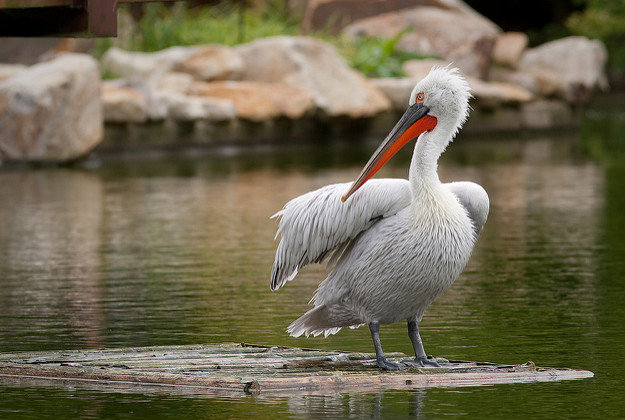
One of the main suggested bird-watching areas in the country is the Divjake-Karavasta National Park, 90km south of the capital Tirana. It has the largest lagoon in Albania that’s also famous for the endangered Dalmatian pelican. According to the Albanian Ornithological Society, which also runs bird-watching tours, Karavasta offers shelter to more than 245 species of birds. AOS lists the Narta lagoon, located near the southern coastal town of Vlora, as the second most important site for water birds in Albania.
Another popular bird-watching site Lonely Planet suggests is the Lake Shkodra, shared with Montenegro and situated next to the town of Shkodra. This is the largest lake in the Balkans and considered one of the most important sites for migratory birds in Europe. “Other possible locations for wildlife-watching include Theth national park and Valbona valley in the Albanian Alps, where hiking has so far been the main activity for tourists, and Butrint national park on the Adriatic coast, where ancient ruins can also be explored,” says Lonely Planet.
Despite illegal hunting continuing during the two-year ban which expired in March 2016, a new 5-year hunting ban will be crucial to save several species at risk of extinction, experts say.
The environment ministry says brown bears and eagles are now seriously endangered in mountainous areas of Albania. The number of pheasants and wild quail has also fallen dramatically.
Albanian is home to an impressive number of species of birds that vary from residents, that stay all year around, to breeding birds, that spend a good part of the growing season in Albanian to raise their young, migrants who pass through the country with the seasons, to wintering birds who like to spend a good part of the winter in Albanian to escape colder conditions up north. One of the most special species is the Dalmatian pelican in the Karavasta lagoon where only a few dozen have survived in the past two decades due to illegal hunting.