
TIRANA, July 19 – Both the governing Democratic Party of Prime Minister Sali Berisha and the main opposition Socialist party of Edi Rama seem to have in mind, and the goal of all their recent political moves, the parliamentary elections expected next year.
That is noted in the words they pronounce every day, in the political fight they are committed to every moment, and the moves they do in such a routine campaign, though the general polls are a year after.
Berisha usually exploits every move his cabinet does, all the country had earned in the last seven years in his favor. He insists that the country’s economy escaped the global financial crisis due to the wise moves, the promotion of the local development his cabinet did. He insists that Albania is the only country in the world where salaries and pensions increase every year despite the crisis. He repeats that the country became a NATO member, got free from the visa requirement in Europe during his terms.
The opposition Socialists, on the other side, insists that the government has engulfed the country into such a corruption that is hampering its progress. They repeated every day accusation against Berisha and other cabinet members for alleged personal profits. They accuse the government of making an unfair legal fight against their lawmakers and of usurping all the posts. They offer their platform (a progressive tax system compared to Berisha’s flat tax system) and say it is high time the country is governed differently.
The moves of these two political groupings culminated with the deal on amendments of the electoral code. That was a good step ahead but one which did not please the smaller allies of both sides.
The smaller political parties had asked for a national proportional system from the regional one, saying the existing one favors the big parties and discriminates them.
The deal between the Democrats and the Socialists was hailed only by themselves as all the smaller allies warned they were against it. They also added they may turn into creating a coalition on their own.
The Albanian electoral system favors coalitions headed from the big parties, which are also the main profiteers of the electoral system.
Berisha’s experience three years ago showed that smaller parties are good enough to support the big one and get s small slice out of that. And Berisha did that well. He collected almost 17 parties in one coalition, got every single ballot they had and in return he gave government posts and also those in the local authorities to all of his allies.
The opposition did not do that well in 2009. And Rama pledged this time he will do it differently. Rama came out this week to say that they will try to create the biggest ever coalition to take the Democrats out of the government. But Rama should also show to the smaller allies what slice they are going to have in a possible new government he will head, as he always says. He should really balance all of them, something which Berisha has shown to have done so well.
For the moment it is still time for words said here and there. No official talks have been said to be held in the near future for any possible coalition. Elections, expected likely in June next year, are far away.
But both leaders are careful not to displease or give fake pledges to their smaller allies, who are trying to show they are the kingmakers of any future government.
Main parties getting ready for 2013 elections

Change font size:
Latest from News
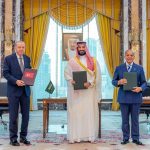
Mecca Defense Pact Signals Saudi Arabia’s Bid to Shape a New Security Order
Change font size: - + Reset The agreement with Turkey and nuclear-armed Pakistan strengthens Riyadh’s position as a central architect of regional security, while reflecting a broader shift toward a more multipolar
SPAK Brings New Charges Against Former Deputy PM Balluku
Change font size: - + Reset Tirana Times, August 07, 2026 — Albania’s Special Prosecution Office Against Corruption and Organized Crime has brought new allegations against former Deputy Prime Minister Belinda Balluku, widening
Milošević’s Language Returns to Serbia’s Government
Change font size: - + Reset Ethnic Cleansing Remark Tests Serbia’s Claim to Have Broken With Milošević A Serbian minister’s declared willingness to expel Kosovo Albanians has drawn condemnation across the region
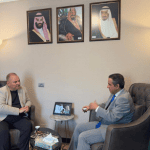
Saudi Ambassador Meets Head of Albania–Saudi Parliamentary Friendship Group
Change font size: - + Reset Tirana Times, July 6,2026 – Saudi Arabia’s Ambassador to Albania, H.E. Turki bin Ibrahim Al-Madi, received Albanian MP Baldi Çomo, Chairman of the Albania–Saudi Arabia Parliamentary Friendship
Anti-Government Protests Escalate in Tirana as Demonstrators Block Parliament
Change font size: - + Reset Tirana Times, July 03, 2026 – Albania’s month-long anti-government protest movement entered a more confrontational phase on Thursday, as demonstrators gathered outside Parliament, blocked access points