By Altin Fuga
The remittances of Albanian migrants working in Western Europe, mainly in Greece and Italy, were the largest and the most important source of financing for the Albanian economy. The latest data released from the Bank of Albania show the growth rate of remittances for the year 2007 was comparatively lower than for the previous years. According to the Bank of Albania, Albanian migrants sent home around Euro 947.8 million last year compared to Euro 933 million sent in 2006, or only 1.22% more than in 2006. In 2005, they sent some Euro 939 million and in 2004 around Euro 745 million, or 25 percent more than in 2004. Even the growth rate for the year 2004 was around 25 percent compared to 2003. Out of this data, observers speculate that remittances from Albanian migrants has peeked.
The importance of the remittances for the Albanian families
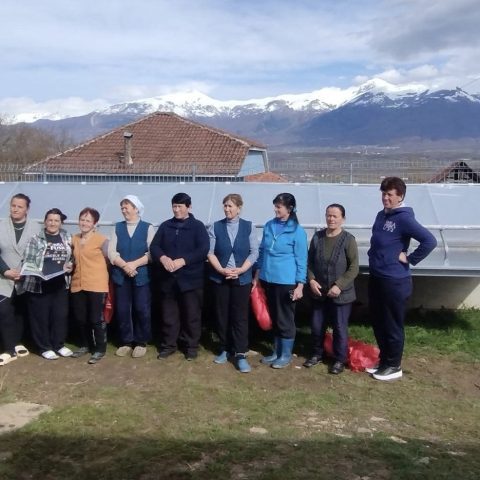
According to the Bank of Albania, some 190,000 families, or 26 percent of the total number of Albanian families (728,000 families) receive help from family members and relatives living abroad. In average, each Albanian family receives around Euro 1,900 each year in remittances from abroad. However, there are differences between families living in the urban and rural areas. Around 59 percent of families that receive remittances live in rural areas and they receive around 64 percent of the total amount of the remittances.
The remittances from abroad are very important for the Albanian families. Without them, almost 40 percent of the 190,000 Albanian families receiving remittances regularly would live in poverty. These calculations are based on the official poverty line of around $50 per month per person. However, many observers have pointed out that the real poverty line is around $130 per person per month. It is clear that the number of families that would live in poverty without remittances increases significantly if this unofficial poverty line is used in these calculations.
IMF: Remittances are going to decrease in the years to come
The International Monetary Fund has sent several warning to the Albanian government that the remittances from the Albanians living abroad are going to be reduced slowly, but steadily. The IMF has conducted a number of studies that show the average migrant sends home remittances for around 14 years. After that period, the remittances fall considerably because the migrant creates a new life in the country of residence and slowly loses his ties to his or her old country of origin. Or, after an average 14 years of living abroad, the migrant returns home and the remittances are interrupted immediately. There are no reasons why this model should not be applied to Albania.
Bank of Albania:
Remittances and
the building boom
The Governor of the Bank of Albania, Ardian Fullani, has warned repeatedly that the building boom in Albania is not sustainable and industry can experience a real crisis if the remittances are going to decrease. Mr. Fullani considers the remittances to be an unstable financing source, while bank loans are insufficient or unreachable by the average Albanian. A state-owned mortgage institution, or a public program directed to first home buyers, could alleviate this problem somehow. However, such a possibility is not even discussed at the moment.
The importance of the remittances for the Albanian economy
The remittances have fuelled the economic growth in Albania during the last ten to 15 years. They were more important for the Albanian economy than the institutional investments from the World Bank, EBRD and foreign direct investments together. In 2006, the remittances financed around 55 percent of the trade deficit of Albania. Last year, the remittances financed only 44 percent, or 11 percentage point less than in 2006. The decrease was due to the unbelievable trade deficit of Euro 2.3 billion. Albanian exports finance only around 25 percent of the total amount of imports. The difference between exports and imports is increasing constantly, even this year. According to data released from the Bank of Albania, the current deficit is Euro 878 million, some 64 percent more than the same period last year, or 11 percent of country’s GDP.