The Statkraft group is a leading player in Europe within renewable energy. The group generates hydropower, wind power and district heating and constructs hydropower plants in Norway and Germany. Statkraft is a major player on the European energy exchanges. In Norway the company supplies electricity and heat to around 650.000 customers through its shareholdings in other companies. In 2006 Statkraft recorded a profit after tax of NOK 6. 3 billion, and employed close to 2,100 people in eight countries. A total output of 42 TWh makes the Statkraft group the third largest provider in the Nordic region and the second largest provider of renewable energy in Europe.
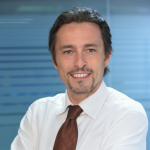
Given the span and vision of the company it could be only good news for an energy-starved and power rationed country like Albania that such a powerful and strategic investor is considering establishing a presence here, especially given its already existing projects in the region that can be very well connected under a regional energy framework. Tirana Times spoke with Statkraft manager for Albania, Mr. Bredo Erichsen about the specifics of their involvement in the energy sector, the future of renewable energy in the continent as well as his recent Albanian lessons.
During a meeting with vice President of the “Statkraft” company, Premier Berisha got acquainted with a draft project on Skavica hydropower station, that follows the interest of this company about Vjosa cascade and Ashta hydropower station. Premier Berisha thanked the “Statkraft” representative for their decision of investing in Albania and guaranteed that his government will offer all infrastructure support in order to make possible the success of their business.
What is Statkraft planning to do in Albania? Do you want to build new plants or use existing structures?
Statkraft is a Norwegian hydropower producer which is fully owned by the state. We are trying to identify hydropower potential in Albania in order to develop a project and invest in that sector. That is my main job during my stay here to develop a project. We plan to build Greenfield hydropower plants.
How did you come to this idea? Who introduced Albania to you?
We have been working for South Eastern Europe for some many years now and trying to find the best areas in order to invest in them. Albania has a lot of potential and a lot of demand as we can see. We think that Albania can be interesting for us given that we have considerable experience and expertise with hydropower. We had the first trip down here this March, but the speed here is high so we have to be on alert for opportunities.
Have you had meetings with government officials concerned with energy and what kind of reaction or treatment did you get from them?
We met twice with the prime Minster and twice with the Minister of Economy and Energy and they are all very open-minded and they are interested. There are a lot of foreign companies during this time coming out with different projects. I think there will be hard competition here in this field with many companies coming from Italy, Austria, Turkey, etc.
Have you identified a specific site that interests you?
We are looking at many sites and we have pinpointed several interesting points. Skavica, part of river Drin is one of them and we will compete for it.
Have you heard about the government initiatives to assist and attract foreign investors such as “Albania 1 euro” or the consolidated Business Registration center?
We have not yet tried those because we are only making a representative office right now but we are to get the concession we will need to have a company here so we will need to try those and see how they work. As an investor the bureaucracy is better to be efficient. We have had meetings with AlbInvest and that is a good starting point to get familiar with its workings.
What do you think will be the risks associated with your work or potential obstacles to you?
I feel that for a Norwegian or Scandinavian coming to Albania, bribery is the most challenging part, because we are not used to it and we are not accepting it. I think that can be one of the harshest obstacles. While traveling around I noticed the infrastructure but in that respect I am used to it and we will need to build roads if we get a concession.
For other investors, if you are dealing with transportation it could be very hard.
What are your impressions of the people here? Are you planning to employ Albanians?
They are very nice and hospitable and you get a lot of information from them. Of course we will employ them, we will need local qualified people for building. I have noticed young people are very good at English so we will have no problem with that.
How are the Albanian lessons going?
To be honest it is going slowly because I only have two lessons a week and I have to go back and forth to Norway. Albanian is difficult for me because it is very different from Norwegian. [laughs]
Would you recommend Norwegian businessmen to invest in Albania?
It would very much depend on the sector. I know that there are already people considering investing in tourism and real estate field especially in the south and I have been exchanging ideas with some of them. They are pleased with the potential. It is difficult to be small and to move to Albania. It is important that our company back home is very large. It takes time and patience to come and expect returns here and that is a cost that mainly major companies can afford. The oil sector can be one idea for large investors to come and explore the potential to develop it.
What is your work focus now?
Hydropower projects are very large and complex so we have to go into details for the possibilities to see the possible production level, costs and so on. That’s a large job so we are using teams to do it. If we get a concession it is going to be under BOT terms and we are used to that.
Does the government factor into his evaluation the forecasted price of sale of energy?
We have a forecasted price which we don’t give away. The government cannot fix the price since the energy market will be regional. In signing he contract afterwards the government and the company negotiate the price of sale of electricity. The state also gets what we call a concession fee.
Where else in the region are you present?
We have projects almost everywhere: Serbia, Bulgaria, Romania, Montenegro, Macedonia.