
TIRANA, March 1 – After ten hours of debate last week, parliament adopted changes to the immunity provisions covering lawmakers but the opposition walked out of the session the moment 73 members of the 140-seat parliament endorsed the changes.
Based on those amendments, immunity could be lifted via a simplified procedure. It also allows the voluntary surrender of immunity.
The government claims they were another effort in the fight against government-level corruption. But the opposition says that is a useless effort as it practically does not cover the cabinet that are free on their own will to give or take the immunity.
The opposition suggests that if the governing Democrats would like to really and frankly lift the immunity of their lawmakers they should do it in a formal and legal way: through constitutional amendments. They also add that the lifting of the immunity should also cover other personalities, like the judges and that would be a real fight against corruption and political pressure.
The high level of corruption associated with Albanian politics will continue to weigh on the country’s EU accession bid for the foreseeable future, and could remain a politically destabilizing factor. Allegations implicating the former deputy prime minister Ilir Meta have resulted in his resignation and led to riots by opposition protestors, which left several people dead in late January. Most recently, there are reports alleging that former economy minister Dritan Prifti accepted bribes for the construction of a power station, which have seen his parliamentary immunity stripped.
In the last two weeks the parliament has lifted the immunity of lawmaker and former economy minister Dritan Prifti and former deputy prime minister and economy minister Ilir Meta, who will be investigated for possible corruption in separate cases.
The opposition claims that the last effort was only a move to give more powers to the government in its fight against them.
Corruption is a big issue in the post-communist country and fighting that has always been an issue of contest between the two opposing political forces.
The opposition has started in more than a year a campaign to show the scandalous corruption of some cabinet members, including Prime Minister Sali Berisha and his family members, and insists that despite that no one has been punished.
The government, on its side, has directly accused the opposition leader, Edi Rama, also Tirana mayor, on corruption.
What Albanians listen to in the daily news conferences they hold and the news in the many media outlets is that they are run by a bunch of corrupted officials? Everybody on both sides is accused of corruption.
So what is the truth?
Europe has made it clear that fighting corruption remains one of the main shortcomings and issues that the country should deal with in its integration steps toward the bloc.
There are no clear signs of such a fight. Albanians have never seen a top official punished on corruption. If the last cases will be another show, time will tell.
Common Albanians hardly believe there could be any result in such a fight, especially thinking that such words comes from both political wings ahead of the May 8 local elections.
Parliamentary immunity, true or false?

Change font size:
Latest from News
Milošević’s Language Returns to Serbia’s Government
Change font size: - + Reset Ethnic Cleansing Remark Tests Serbia’s Claim to Have Broken With Milošević A Serbian minister’s declared willingness to expel Kosovo Albanians has drawn condemnation across the region
Saudi Ambassador Meets Head of Albania–Saudi Parliamentary Friendship Group
Change font size: - + Reset Tirana Times, July 6,2026 – Saudi Arabia’s Ambassador to Albania, H.E. Turki bin Ibrahim Al-Madi, received Albanian MP Baldi Çomo, Chairman of the Albania–Saudi Arabia Parliamentary Friendship
Anti-Government Protests Escalate in Tirana as Demonstrators Block Parliament
Change font size: - + Reset Tirana Times, July 03, 2026 – Albania’s month-long anti-government protest movement entered a more confrontational phase on Thursday, as demonstrators gathered outside Parliament, blocked access points
Are Europe’s Star Architects Helping Launder Albania’s Criminal Economy?
Change font size: - + Reset The Albanian Files suggests that international architecture may have served not only as design, but as a prestigious façade for opaque money, captured institutions and one-man
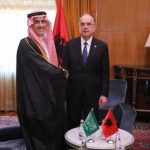
Saudi Ambassador Presents Credentials To Albanian President As Ties Gain Momentum
Change font size: - + Reset Tirana Times, June 05, 2026 – Saudi Arabia’s new ambassador to Albania, Turki Ibraheem Almadhi, presented his credentials to President Bajram Begaj, marking the formal start