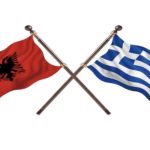
The refugee flux to Europe is continuing to cause a vast array of consequences with member states opting to make their own solutions in the absence of the will to comply with a common EU alternative. With the decision of Austria and then in domino fashion of Serbia and Macedonia to significantly restrict the refugee admission to transit through their territory, vast numbers of refugees are now trapped in Greece, getting more desperate by the day. It has been speculated that refugees might decide to try an alternative transit route: through Albania and onwards to either Italy on the west or Montenegro on the north.
According to official statements made last year, Albania was in the process of drafting an emergency response should this happen and even preparing some venues to act as shelters.
Moreover, it was not long ago, that Albanian Prime Minister Rama was preaching humanism to the European leaders who seemed keen on closed borders and high fences. According to Rama, if Albania could handle one million refugees from Kosovo in 1999 then Europe definitely could do more to handle the refugees now.
Only a few days ago, Minister of European Integration, Klajda Gjosha, repeated the same confirming that Albania would take responsibility should the scenario change. However, during a TV interview when he was asked specifically about opening borders now that refugees seem trapped in Greece, Prime Minister Rama changed his position highlighting the fact that the country does not have the capacities to have the refugees. The shift in policy, or at least rhetoric since policy is not necessary just yet, is quite remarkable. Indeed there was negative reaction immediately from Greece whose media was keen to remind Albanians their own flux of refugees in the early 90s.
In another TV interview, Albanian Minister for Foreign Affairs, Ditmir Bushati said “Albania will neither open nor close the borders” should there be a move from refugees adding to the confusion. Either the government lacks a united voice when it comes to the issue or the level of confusion and fear about such a thing happening is worrisome.
Media reports that members of the Albanian Special Forces have moved to secure the borders at the main crossing points and are in close contact with Greek authorities to learn more on potential new moves of the refugees. It remain unclear what is the task of these forces: whether to stop the flux (if that could be done at all) or manage the situation.
Albania is a small poor country that definitely would have a tremendous challenge should large number of refugees cross through it. The capacity to shelter the people would be very low. Risks associated to the security concerns of the flux would be considerable. With the ongoing Schengen restrictions and malfunctions in place, there is also the possibility that refugees would be trapped here. Refugee flux in Albania then would most likely rekindle the coastal speedboat human trafficking that Albania has fought for many years and won over after very drastic policy and with substantial help from Italian law enforcement.
However a managed transit process could be possible with hefty help from European member states and international humanitarian organizations. Albanian people are generous and very understanding of the plight of people affected by war. They have shown solidarity in times of crisis and there is no doubt they would show it again.
Politicians should be careful of shifts in public positions about sensitive issues. They should clearly explain the reasons for this change. One potential explanation is that the recent controversial summit held in Vienna with the Western Balkan states has decided this course of action. The summit was heavily protested by Greece which alongside Germany was not invited to the table. If Albania has sided with one strategy this should be transparent since the issue at stake is impossible to overrate.
The refugee question for Albania is a serious decision. Some argue that Albania cannot afford to take it. Whichever way it goes, the leadership needs to have a consistent position with regard for human rights and in concordance with its trusted European partners. The challenge is now that the partners have discordances between themselves. That however should not be an obstacle to uphold the values of the Europe that Albanians want to join.