TIRANA, Sept. 3 – Tirana will be the capital of peace in Europe and in the entire world in the next few days as the host of the 28th International Meeting for Peace bringing together international religious leaders to dialogue and pray for peace.
The conference scheduled for September 6 to 8, is held on the 20th anniversary of the end of last Balkans War and is organized by the Community of Sant’Egidio in cooperation with the Albanian Bishops’ Conference, the Orthodox Autocephalous Church of Albania and the government of Albania.
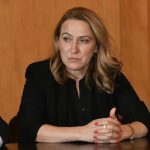
Albania’s Social Welfare Minister Blendi Klosi says Albania has been chosen as a country which promotes religious harmony, bringing together 4,000 guests, the majority of whom religious clerics.
Major religions will meet in Tirana to launch a strong appeal: peace is always possible, says Italy-based Community of Sant’Egidio.
The community says Albania was chosen because the construction of peace must start at the outskirts.
“Last year Pope Francis started visiting Europe from here. This little country, which has the largest Muslim population on the continent, has today become a model of co-existence between religions and cultures, an interesting laboratory where topics regarding peace will be discussed for three days, topics like sustainable development, environmental emergencies (which regard the entire planet as well as the livability of areas surrounding the metropolises of the world) and social inequality,” says Sant’Egidio.
Albania’s religious harmony is praised in different reports as an example to be followed. Albania is considered the only country in the world where the number of Jews after the Second World War was larger than before the war.
“There were no reports of societal abuses or discrimination based on religious affiliation, belief, or practice,” said the U.S State department about Albania in its 2013 international religious freedom report.
According to the latest 2011 census, Sunni Muslims constitute nearly 57 percent of the population, Roman Catholics 10 percent, Orthodox Christians (the Autocephalous Orthodox Church of Albania) nearly 7 percent, and Bektashi (a form of Shia Sufism) 2 percent. The Roman Catholic and Orthodox Churches and Bektashi representatives all maintain that their numbers are underrepresented in the official census. Other groups present include Bahais, Jehovah’s Witnesses, and The Church of Jesus Christ of Latter-day Saints (Mormons). The State Committee on Cults reports more than 220 religious groups, organizations, foundations, and educational institutions operating in the country.
Albania’s communist government had outlawed all religion and religious activities in 1967, making Albania the first officially atheist country in the world. Religion was restored in the early 1990s just before the collapse of the communist regime.