“Around 50 percent of investments the municipality targets for next year will be completely new investments, brand new projects, while 50 percent will be ongoing projects. A total of 100 hectares will undergo urban requalification,” says Basha.
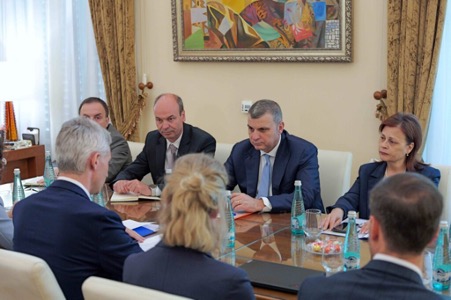
TIRANA, Dec. 20 – After two years of operating on monthly budgets, the municipality of Tirana will finally have an annual budget for 2012. From 2010 to May 2011, the municipality of Tirana led by Edi Rama, currently serving as only opposition leader was unable to approve annual budgets for the country’s biggest municipality because of losing the majority in the Tirana municipal council. New Tirana Mayor Lulzim Basha, who beat Rama in narrow controversial vote in May 2011 stripping the opposition leader of his fourth consecutive mandate as Tirana Mayor, says the 2012 budget, worth 70 million dollars, will be the biggest ever in the municipality’s history focusing on the capital’s economic growth by promoting employment, improving the quality of life and infrastructure.
Introducing the new budget in public hearings, Basha said unemployment, currently the top concern among Tirana inhabitants especially among newly graduates, will be the focus of the municipality which will support current businesses and new investors by improving the business climate. The Mayor has promised new small and medium-sized enterprises operating in Tirana employing more than 50 jobless people from Tirana’s unemployment lines will no longer have to pay local government taxes. Meanwhile, construction companies hiring more than 75 jobless people will have their infrastructural impact tax, as the key tax these companies pay to Tirana Municipality, cut by 30 percent.
Basha has also announced the possibility of partial or full local government taxes for big enterprises, a proposal which will be discussed with the central government.
“We believe the economic development creates more opportunities for businesses and more chances for employment,” said Basha.
Another project the of municipality is aimed at reducing high unemployment rates among youth by offering internships for more than 6,000 university students each year and establishing a database on job opportunities.
Last October, Tirana’s municipal council approved the removal and reduction of 60 taxes and municipal tariffs in an effort to ease the fiscal burden for Tirana businesses and create more employment opportunities.
Tirana Mayor Lulzim Basha, who had put this promise on top of his electoral campaign for the May 8 Tirana race, said the reduction of these taxes and the establishment of a one-stop shop for licenses and permits are two of the most important decisions to create new jobs and stimulate economic growth, creating new space for existing SMEs and new ones.
Latest data by the municipality of Tirana show some 28,730 businesses operated in Tirana until June 2010. Some 69 percent of them are small businesses. Most businesses operate in the retail trade accounting for 26 percent of the total, followed by services with 16 percent, leisure and entertainment with 15 percent, and wholesale trade with 13 percent.
Infrastructure investments
The 2012 Tirana Municipality budget will treble infrastructural investments without raising taxes of tariffs but improving their collection all over the capital city, says Tirana Mayor Lulzim Basha.
“Around 50 percent of investments the municipality targets for next year will be completely new investments, brand new projects, while 50 percent will be ongoing projects. A total of 100 hectares will undergo urban requalification,” says Basha.
Making operational the first tram line in Tirana and Albania, from suburban Laprake at the entry of Tirana to the Mother Teresa square in Tirana’s central boulevard is Basha’s top infrastructural and transportation promise. The rehabilitation of the Tirana River, intervention in the roundabout in Tirana customs office where traffic jams are common, will be major projects having an impact on Tirana’s economic development and employment, says the municipality.
The 2012 budget will also support the construction of 600 apartments for the homeless in partnership with private sector. The expropriation bill the municipality has to pay for public investments during the past 20 years is estimated at 11 million euros, remaining a big financial burden for the municipality. Mayor Basha says the 2012 budget has foreseen expropriation funds only for the people affected by the construction of Tirana’s Big Ring road which is being built in cooperation with the central government.