
TIRANA, June 28 – Tirana has been included in a regional project promoting the architecture of totalitarian regimes in urban managements as tourist destinations. The EU-funded ATRIUM project aims to put into greater focus a key element of twentieth-century European history, heritage and memory. The partners come from 11 different countries (Italy, Slovenia, Bulgaria, Hungary, Slovakia, Roumania, Croatia, Albania, Bosnia-Herzegovina, Serbia and Greece) which share a desire to focus on the architectural heritage of the different totalitarian regimes which they have experienced in the twentieth century from a cultural and historical point of view.
Speaking at a meeting this week, Jorida Tabaku, the Tirana deputy Mayor described architecture in the Albanian capital as testimony of historical and political developments, highlighting the strong influence of Soviet Union architecture during the communist regime.
“In Tirana, in very few metres you can encounter modern architecture, that of socialist realism, and a precious heritage of buildings since the 3rd century,” said Tabaku.
The deputy Mayor also announced a project to turn one of the capital’s areas, known as the Toptani block into a characteristic Tirana neighbourhood.
“Apart from the Murat Toptani street we also have a very beautiful complex with the ethnographic museum and a special area which we want to turn into a characteristic Tirana neighbourhood and give it special values for all tourists who can find there a part of what Tirana has lost today,” added Tabaku.
The starting point of the ATRIUM project is architecture. All of the countries involved in the project contain examples of major architectural heritage – buildings, urban landscapes etc.- realised during a period of political regimes which were to different degrees “totalitarian”, although this term has fallen somewhat into disuse. The moment and historical context of the examples vary – from the 1920s and 1930s in Fascist Italy to the 1950s and 1960s in the Communist societies of Eastern Europe. But the project recognizes a common cultural heritage here, and thus constitutes an opportunity: to focus on and give value to examples of architecture which have a common theoretical and cultural background to the extent that they are highly sought-after amongst the circle of experts in architecture on a world level.
This project aims to bring these experiences together in order to trace common features underlying a necessary diversity but also to focus on their shared overall historical context. It is hoped that the cultural route which will emerge will constitute a pathway for Europeans to explore the traumatic twentieth century through the urban landscapes fully visible on the streets of its cities.
Tirana’s totalitarian architecture becomes regional tourist destination

Change font size:


Latest from Culture

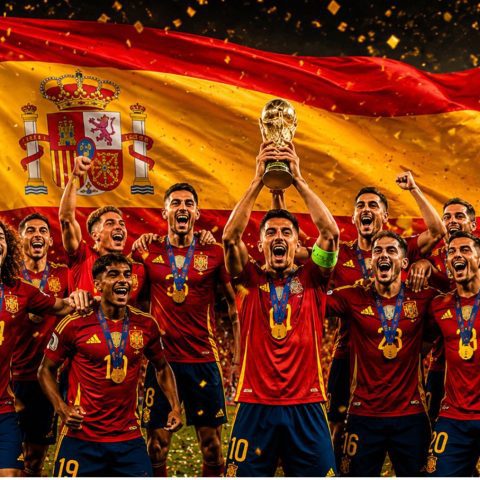
Spain Rules the World Again
Change font size: - + Reset Spain clinches second FIFA World Cup title as Europe continues its dominance on football’s biggest stage By Gautam Karve, Editor-in-Chief, World Media Organization Tirana Times, July

K’cimi dancing of Tropojë – Gazmend Freitag
Change font size: - + Reset by Monika Grill Tirana Times, July 11, 2026 – “K’cimi i Tropoja” – the dance that endured over centuries and kept the Albanian identity alive, has

In Search of Albania’s Soul: Manuel Montobbio Returns to Tirana Through Literature
Change font size: - + Reset Tirana Times, July 02, 2026. The Albanian Institute for International Studies and Tirana Times book house hosted a special literary evening in Tirana with Ambassador Manuel Montobbio, diplomat, writer, poet

This Auditorium Comes With a Price Tag -Corruption in Albania’s Public Universities
Change font size: - + Reset Corruption remains one of Albania’s most stubborn obstacles toward development and its dream for European integration. Although the country marked its biggest historical leap in Transparency
The Heart Of A Patriot That Beats For The People
Change font size: - + Reset by Dr. Jorgji Kote Tirana Times, June 11, 2026 – ”Heart of a patriot” is the new book dedicated to Binali Yildirim, an outstanding political leader and personality