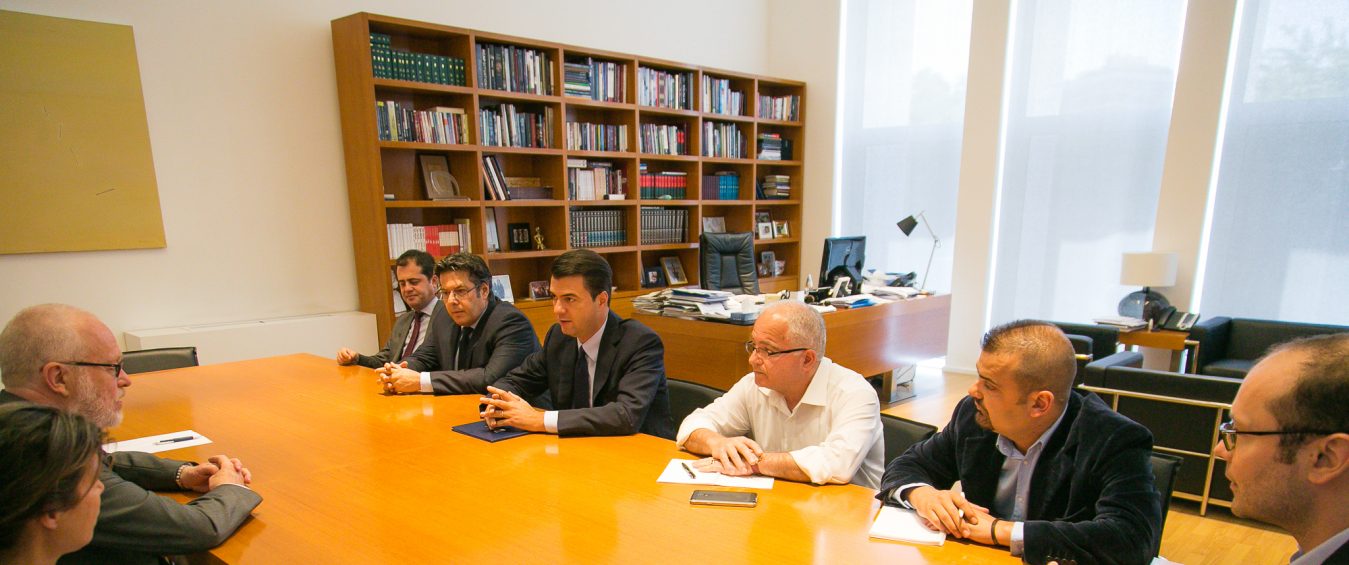
TIRANA, July 5 – Albania’s opposition leader, Lulzim Basha, has told officials of the OSCE/ODIHR observation mission that the general elections of June 25 where marred by vote-buying and pressure on voters with state money and crime proceeds and thus were “a triumph of lawlessness.”
Basha told the international observation mission there had been massive vote-buying throughout the country, backed by criminal gangs, favoring the Socialist Party, which won the majority in the elections.
The opposition center-right Democratic Party won nearly 30 percent of the vote in the elections, the worst electoral performance in its 27-year history. Both the ruling Socialist Party and the Socialist Movement for Integration increased their seats in parliament, leading analysts to question the logic of the results, as ruling parties in Albania have a history of losing support when in power, not increasing it.
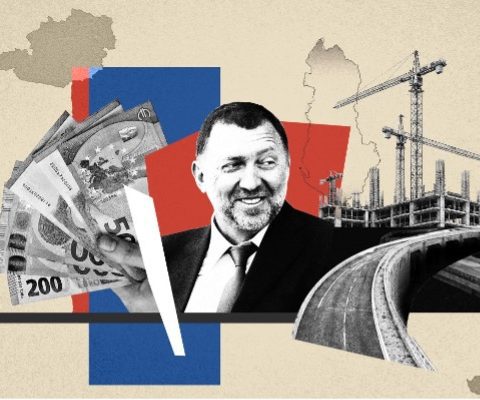
Basha told the observation mission that criminal gangs, in some cases with the support of state structures, had used money from the cultivation and trafficking of cannabis to buy votes for the ruling Socialists.
The Democrats said they had documented cases of vote-buying in places like Elbasan and Durres and were taking legal steps to prosecute the wrongdoers. DP officials said the police had failed to arrest those responsible while witnesses had been intimidated into withdrawing their testimony.
The opposition leader asked OSCE/ODIHR to have a realistic stance on the serious problems of the electoral process in order to help Albanian society protect itself from being ruled through organized crime.
The Democratic Party chairman said that even with the right to nominate key caretaker ministers in the government, the party had been unable to stem powerful interests tied to the ruling Socialists from influencing the elections.
“Despite our efforts and uncompromising battle, pressure from crime money and state resources did not stop. Massive vote buying with money from crime and government corruption again replaced a real political debate,” Basha said. “This was an unequal race … and illegality triumphed.”
While election bodies have acknowledged there were some problems, they say that the incidents were isolated and likely did not affect the overall results.
However, a preliminary election report by OSCE/ODHIR noted that the continued politicization of election-related bodies and institutions as well as widespread allegations of vote buying and pressure on voters detracted from public trust in the electoral process.
“The campaign was characterized by widespread allegations of vote-buying, concerns over misuse of state resources and workplace-related pressures on voters, which further reduced public trust,” the report noted. “Election day proceeded in a mostly orderly manner but key procedural irregularities and omissions were observed. This included inconsistent inking verification procedures, instances of proxy and group voting, and interference by unauthorized party activists. Concerns were noted about possible intimidation by groups of party activists in and around voting centres. The counting process was delayed in many areas. Counting procedures were not always followed and transparency was not always guaranteed.”