Tirana Times, May 03, 2026 – There is a limit to how long diplomacy can survive on good manners and optimistic statements. The latest round of Albania–Greece engagement, showcased at the Delphi Economic Forum, makes one thing unmistakably clear: the relationship is not moving forward it is being managed in place. Edi Rama arrived in Athens with a familiar message: everything can be solved, a Strategic Partnership is within reach, and even the long-standing maritime dispute may soon head to The Hague. It was a confident narrative, designed to project momentum and reassure both domestic and international audiences that Albania’s most sensitive bilateral relationship is under control. But diplomacy is not built on narratives. It is built on agreements, processes, and results and here, the record is empty.
The reaction from Greece was swift and telling. Greek diplomatic sources publicly distanced themselves from Rama’s claims, making it clear that no advanced negotiations are underway on maritime delimitation, no agreed framework exists, and no timeline has been endorsed. More bluntly, the issue is no longer even among Athens’ immediate priorities. This is not a minor discrepancy. It is a fundamental contradiction.
For years, Albania has insisted that the maritime dispute would be resolved through international arbitration. For years, Greece has signaled openness, but with conditions, procedures, and expectations that have never been fully met. Today, even that limited convergence appears to have eroded. What remains is a familiar diplomatic stalemate, repackaged as progress. The truth is uncomfortable but unavoidable: Albania–Greece relations are not advancing because there is no sustained political will on either side to resolve the hard issues. Instead, those issues are repeatedly instrumentalized, delayed, or reframed. The case of Fredi Beleri is a textbook example. What Tirana treats as a domestic judicial matter, Athens views as a test of minority rights and rule of law. The result is predictable: mistrust, political signaling, and frozen channels of communication. Neither side is willing to concede ground, and neither is prepared to absorb the political cost of compromise.
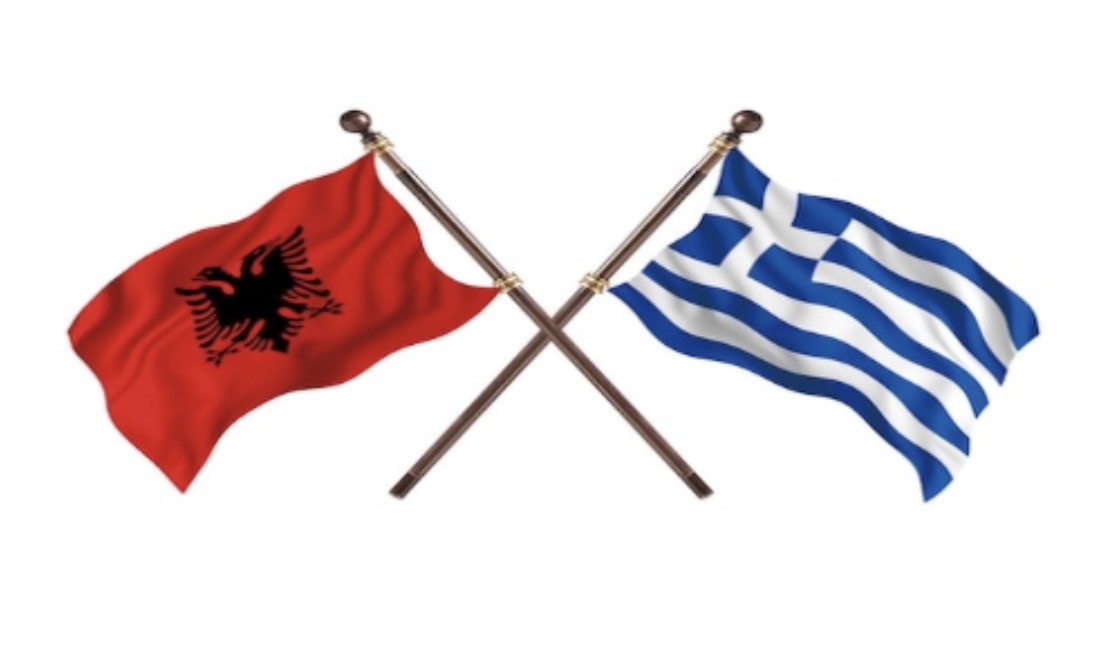
At the same time, the broader architecture of the relationship remains deeply contradictory. Since 1996, the two countries have been bound by a Treaty of Friendship and Cooperation, the highest form of bilateral commitment. Yet, nearly three decades later, a “law of war” still formally exists between them. If that is not a symbol of diplomatic dysfunction, what is? This duality is not new, but it is increasingly unsustainable. As Albert Rakipi has argued, Albania–Greece relations operate in two parallel spheres: a real one, defined by economic ties, migration, and societal exchange; and a fictive one, dominated by political discourse, historical grievances, and nationalist reflexes. The first sphere is productive and stabilizing. The second is paralyzing. And it is the second that continues to dominate official politics.
Rakipi’s warning is both simple and urgent: it is time for a new relationship. Not another declaration, not another forum appearance, not another round of “no problem” rhetoric, but a real, structured, strategic engagement that addresses the core disputes head-on. That means confronting the maritime issue seriously, depoliticizing minority questions, and removing symbolic relics like the law of war. None of this is easy. But none of it is optional either.
Because the alternative is exactly what we are witnessing now: a relationship that looks stable on the surface but is fundamentally stagnant underneath. High-level meetings will continue. Friendly language will be exchanged. European integration will be invoked as a shared goal.
But nothing essential will change. Greece will continue to hold leverage over Albania’s EU path. Albania will continue to insist that problems are manageable. And the core disputes will remain exactly where they are unresolved, sensitive, and politically exploitable.
This is not a strategy. It is avoidance. If there is one lesson from the latest developments, it is this: diplomacy cannot indefinitely substitute substance with style. At some point, the gap between what is said and what is done becomes too wide to ignore. Albania and Greece have reached that point. The question now is whether their leaders are prepared to act, or whether they will continue to manage a frozen relationship with warm words.