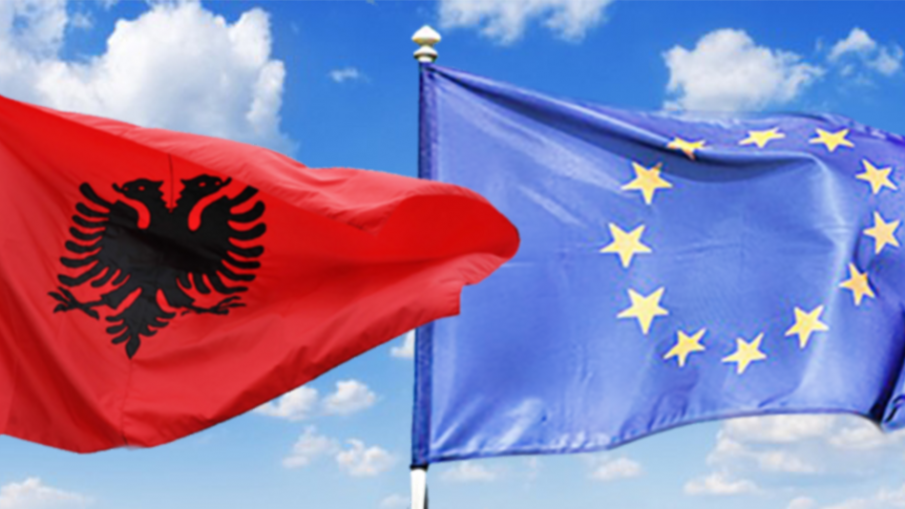
TIRANA, Sept. 28 – U.K.-based BMI Research, a unit of Fitch, says Albania is unlikely to join the EU in the next decade, a conclusion which comes as no surprise considering internal developments in the block with the Brexit, the migrant and financial crises as well as rising populism.
An official EU candidate since mid-2014, Albania has expressed frustration over delays in the launch of accession talks as the European Commission has set the implementation of a justice reform and strengthening rule of law as key criteria.
“The outlook for judicial reforms has improved following the victory of Prime Minister Edi Rama’s Socialist Party in the June 24 election. That said, there remain vested interests opposed to the reform process, which is a key requirement for EU accession, and we therefore remain skeptical that Albania will join the EU within the next decade,” says BMI Research in its latest Albania country risk report.
The long-awaited reform is about to start with a vetting process that will scan all judges and prosecutors for their professional proficiency, moral integrity and independence from the alleged influence of the organized crime, corruption and political power.
The BMI conclusion is also in line with European Commission President Jean-Claude Juncker’s recent statement that there will be no EU enlargement until 2019.
Currently, only Serbia and Montenegro are in the negotiation stage with the European Commission among six Western Balkans countries, most of which have been striving for membership since more than a decade.
NATO member Albania, through Prime Minister Edi Rama, and other Western Balkan states have expressed repeated frustration that their application to join the European Union is being dragged in time on purpose as the bloc deals with its internal problems relating to Brexit and the economic crisis.
“Of course, the official opening of accession negotiations is what Albania expects and deserves and it is unfair, according to us, that this issue continues to be dragged for reasons not related to Albania, bringing up new issues in every step,” Prime Minister Edi Rama has said as his Socialist Party got a stronger second consecutive mandate to rule the country on its own.
After the dissolution of the EU integration ministry in the new smaller government out of the June 25 elections, it will be the foreign affairs ministry that will handle EU integration steps.
The European Integration Ministry had been operating since 2003 after Albania was identified as a potential candidate for EU membership during the Thessaloniki European Council summit. Almost 13 years later, it has practically turned into a department dependent on the re-branded ministry for Europe and foreign affairs, raising eyebrows among some opposition representatives and advocates for EU integration.
In its latest country risk report, the Fitch unit expects the Albanian economy to grow by 3.6 percent in 2017 and slow down to 3.3 percent in forecasts which are considerably lower to the Albanian government’s more optimistic scenario of a 3.8 percent GDP growth for 2017 and a pickup to 4.1 percent in 2018.
“An ongoing contraction in private sector credit and a benign inflation outlook mean that we see the Bank of Albania maintaining its very easy monetary policy stance over the next 18 months, even as headline economic growth accelerates,” says BMI Research.