TIRANA, Oct. 10 – Albania’s business and consumer confidence hit a surprise 2-year low in the third quarter of this year, the peak of the tourist season, signaling that the decade-high energy-fuelled GDP growth rate that the country registered in the year’s first half is not having any positive effect on overall confidence.
A periodical survey conducted by Albania’s central bank shows the Economic Sentiment Indicator, measuring both business and consumer confidence, was down by 4 percentage points in the third quarter of this year following a sharper 10 percentage point decline in the previous second quarter, to remain only slightly above its historical average.
Confidence in all key services, trade, construction and industry sectors fell in the third quarter of this year in a surprise decline at a time when the economy traditionally receives a boost due to the peak tourist season and dozens of thousands of migrants coming home to spend their holidays.
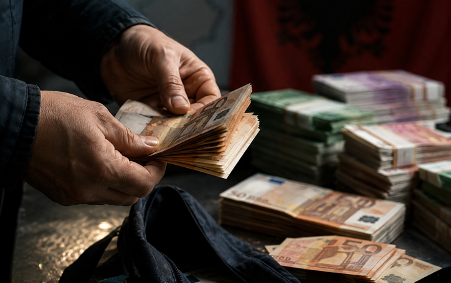
The rising pessimism comes at a time when expectations about the 2018 tourist season were not met in some traditional Adriatic destinations and Europe’s single currency continued trading at a 10-year low against Albania’s national currency, having lost 6 percent since late 2017, with a series of negative effects on Albania’s highly euroised economy, primarily hitting Eurozone-destined exports, but also sizeable Euro-denominated savings and remittances.
Capacity utilization in major industries and services sectors ranged from 60 percent to 75 percent in the third quarter of this year, in only slightly higher rates compared to the previous quarter.
Consumer confidence in the third quarter of this year also dropped to below its historical average to hit a 2-year low on lower big purchases and expected household financial situation.
The surprise findings of the central bank survey come at a time when the economy grew by an average of 4.4 percent in the year’s first half fuelled by heavy rainfall lifting the state-run electricity sector out of crisis.
Meanwhile, tourist arrivals this year officially grew by about 19 percent to 4.4 million in an emerging sector dominated by visitors of ethnic Albanian roots from neighboring countries in what is often referred to as ‘patriotic tourism.’
Experts say the Albanian economy needs to grow by at least 6 percent annually, a growth rate it enjoyed for about a decade ahead of the 2008-09 global financial crisis in order to produce tangible welfare for the country’s households and bridge the huge gaps with EU member countries.
The services sectors accounts for about 53 percent of Albania’s GDP, followed by agriculture with 23 percent, industry with 13 percent and construction with 10 percent.