
TIRANA, June 7 – The number of construction permits issued last year in Albania rose by 21 percent compared to 2009, signaling positive developments for the sector which has been suffering negative growth rates since the second half of 2009. A study conducted by Open Data portal shows construction permits at the end of 2010 rose to 1,845, up from 1,522 in 2009. Most construction permits in 2010, some 312, were issued in Durres– the country’s second largest city. Since 2007– when the number of construction permits issued in the country’s 12 regions registered its lowest level at 995– this important indicator for the construction industry has been on a consistent rise. Although much smaller in size and population, the southern city of Gjirokastra tops the list with 1,626 permits issued from 2005 to 2010 followed by Tirana with 1,328 and Fier with 1,300. Latest Institute of Statistics data show the construction cost index rose 0.5 percent year-on-year during the first quarter of 2011, but was up only 0.2 percent compared to the previous quarter. One year ago, the change was 0.1 percent. INSTAT data also show the construction and post-telecommunication sectors continued to suffer, registering negative growth rates in the final quarter of 2010. The construction sector, once the main driver of the Albanian economy, remains in crisis, shrinking by 14.8 percent year-on-year and 3.7 percent compared to the third quarter of 2010. It was the hardest-hit during the first nine months of 2010, shrinking by 20 percent in the first quarter, 29 percent in the second quarter and 22 percent in the third quarter. Reports show citizens are becoming more reluctant to buy new apartments due to falling revenues and especially a sharp decrease in immigrant remittances. Confidence in the construction sector grew by 3.4 percent during the first quarter of 2011, registering an improvement for the second quarter in a row, but remaining 4.7 percent below its long-term historical average. The increased optimism in this sector was a result of higher production and demand despite the reduction in employment. Infrastructure, relations with banks and the financial sector as well as legal and institutional frameworks are reported to have improved, while the internal political situation remains an obstacle for construction companies’ ability to carry out their normal activity. The capacity utilization rate in the first quarter of 2011 was at 61 percent, 6.6 percent below its historical average. The construction sector’s expectations for the second quarter of 2011 dropped compared to the final quarter of 2010– increasing uncertainty about the continuance of confidence boost.
Construction permits up 21% in 2010

Change font size:



Latest from Business & Economy

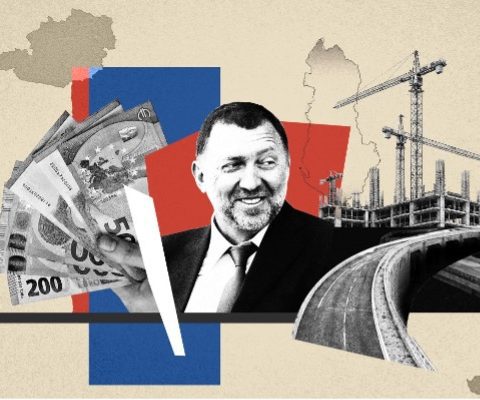
How a Sanctioned Russian Oligarch’s Business Interests Reached Albanian Public Contracts
Change font size: - + Reset Millions of euros flowed to companies linked to Strabag while Oleg Deripaska remained a major shareholder, exposing gaps in Albania’s ability to identify who ultimately benefits

Albania’s Cash Boom Raises Money Laundering Concerns
Change font size: - + Reset Cash outside Albania’s banking system reached a record 5.6 billion euros, last month. Tirana Times, August 30, 2026 – The amount of cash circulating outside Albania’s

Vlora Airport Heads to Arbitration
Change font size: - + Reset Albania faces another potentially costly international dispute after losing several arbitration cases in recent years that have exposed the state to hundreds of millions of euros

Concrete, Cocaine and Corruption: Albania’s Fragile Growth Model
Change font size: - + Reset Albania’s Concrete Economy: How Construction Became the Country’s Dominant Growth Model Tirana Times, July 10, 2026 – A booming construction sector has made Albania an outlier

Austria Leads FDI, but Real Estate Tells the Bigger Story
Change font size: - + Reset Bank of Albania data show Austria topping first-quarter foreign investment flows, while property and construction continue to shape Albania’s FDI model. Tirana Times June 25, 2026