By Gajtis Bejleri
TIRANA, July 4 – The European Central Bank (ECB) increased the interest rates for Euro loans from 4.0 to 4.25 percent last week, as a move to counter increasing inflation in Eurozone countries.
Along with the effects it will have in the banking systems of the Eurozone countries, this shift in interest rates is supposed to affect loans from Albanian banks, as well. In most cases, commercial banks operating in the Albanian market have interest rates two or three percent higher than those set by the ECB.
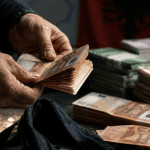
Further, an increase of the Euro interest rate would increase the Euribor, the Euro interbank offered rate, as well. The Euribor increase would, itself, mark an increase in the value of the Euro towards the Albanian Lek.
The individuals most harmed by this chain reaction would be those citizens or firms who already have received loans in Euros from commercial banks, but their business revenues are paid in Albanian Leks. The loss would be seen in two different ways; having to pay more due to the increased interest rate, and having less to pay with because of a weaker Lek towards the Euro.
That could not happen, though, if banks choose not to increase their interest rates. However, since banks, also, need profits, that seems quite unlikely as most commercial banks state in their loan contracts that they reserve the rights to change the terms of contracts with their customers.
On the other hand, individuals who already have deposits in Euros would see the reverse effects, should the banks increase interest rates accordingly. In case of higher interest rates for their deposits and a weaker Lek towards the European common currency, Euro depositors should gain both ways, receiving more Euros and more Leks in exchange for their Euros.