TIRANA, March 15 – Albania is among Europe’s best renewable energy performers, mainly due to its wholly hydro-dependent domestic electricity generation meeting about 80 percent of the country’s needs, according to a report by Eurostat, the statistical office of the European Union.
With 35 percent of energy coming from renewable sources, Albania had one of Europe’s highest share in renewable sources in gross final consumption of energy in 2015, almost double compared to the EU average of about 17 percent and lagging behind only six European countries, mainly North European ones including energy superpowers Norway and Sweden.
While Albania has an almost 80 percent share of renewable energy in the electricity sector thanks to about a hundred hydropower plants, mainly small and medium-sized ones, its share in renewables in heating and cooling stands at about 35 percent and is quite non-existent for the transport sector.
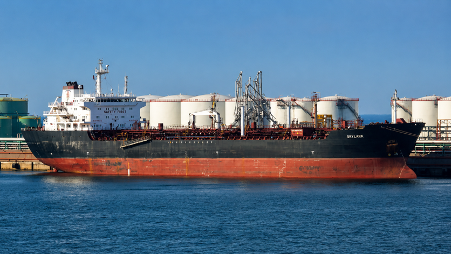
An earlier Eurostat report recently showed the rapid development of the country’s oil industry in the past decade has turned Albania into one of Europe’s top three least dependent countries on imports of fossil fuels. With an import dependency rate on fossil fuels at 11 percent in 2015, Albania lagged behind only Norway and Denmark, two of Europe’s largest oil producers.
Thanks to its huge oil and renewable hydro-electricity production, Albania is one of Europe’s least dependent countries on energy imports.
A World Economic Forum report has also ranked Albania as one of the top 20 performers globally on its ability to deliver secure, affordable and sustainable energy because of the country’s wholly hydro-dependent electricity production and huge oil production.
Domestic electricity production is currently wholly dependent on the hydro-situation making it vulnerable to weather conditions, but meeting the overwhelming majority of the country’s needs. The rising number of hydropower plants on the country’s rivers has also raised concerns about the future of tourism and the unique ecosystems, sparking protests by environmentalists especially on newly approved HPPs on the Vjosa and Valbona rivers.
In addition to hydropower, Albania is estimated to have large untapped wind and solar energy potential that can be cost-competitive.