TIRANA TIMES EDITORIAL
 This week, the Albanian government declared success in its year-long efforts to discipline consumers of electricity in this country.
The state-owned power distribution company, OSHEE, has collected about $500 million this year. That’s $200 million more than it did in 2013, and $150 million more than in 2014. OSHEE is now a net contributor of 3 percent to the state budget. It had been a major drain in the past.
This is a financial success to be applauded, and it is clearly an investment into a better future for Albania and a victory for rule of law in this country. Virtually all domestic and international actors agree on this point — so does this newspaper.
There were some human costs, of course. Authorities had to resort to more than 3,000 arrests to discipline Albanians who were used to stealing electricity and thousands of power cuts for those who were unable or unwilling to pay accumulated debts to the power cuts. There were stories of grandmothers shivering in the cold and of jailed fathers leaving families without an income.
But rule of law is paramount, most agree. And the government’s stick on undisciplined Albanian people worked.
Now that victory has been declared, it is time for the government to offer some carrots as well. The state budget is seeing the fruits of the authorities’ labor and attention must also shift on how the government can spend the money to improve the quality of life for common people.
For example, the Albanian government has come under fire recently by civil society representatives for the state of the healthcare system. As anyone who has had a medical emergency in this country and used the public health system will tell you, it can be a nightmarish experience – the staff and the ambulances themselves are ill-equipped.
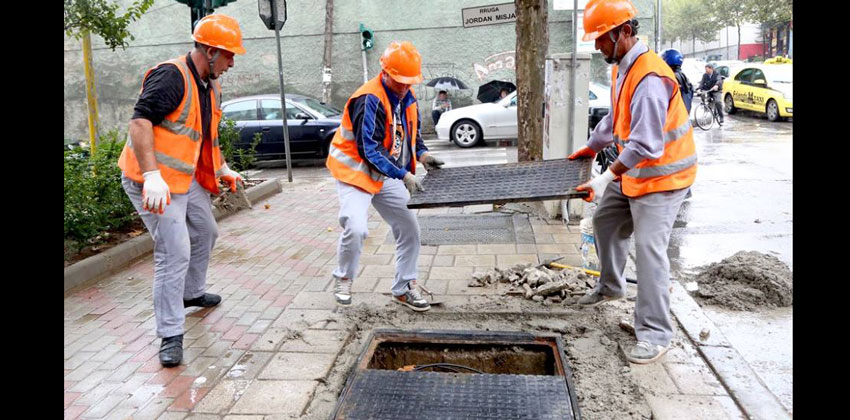
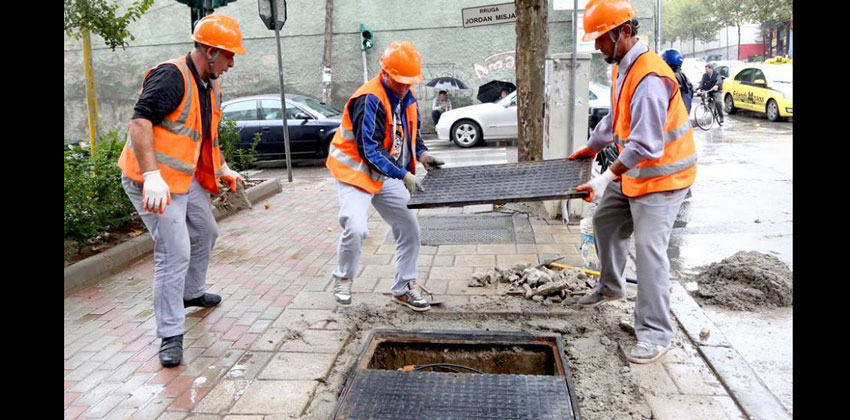
In a typical story that doesn’t make the news but which happens on a regular basis, a young woman fell through a missing manhole cover recently in a dark Tirana street, nearly fracturing her leg. (The manhole covers are routinely stolen and the metal sold as scrap). She had to be taken to the hospital by taxi because there weren’t enough ambulances to respond for more than half an hour. “This is Albania,” she said resigned to her fate and with tears in her eyes. “What else can we expect?”
We can expect a government that makes sure it replaces missing manhole covers and sends those who steal them to jail. This week the Tirana municipality is taking the right steps in that direction — an encouraging sign.
But more importantly we should expect a government that can provide proper healthcare, making this a priority above all else. Even if health insurance contributions and income taxes are not taken into account, the government’s coffers take 20 percent of every single purchase any Albanian makes through VAT. We are all taxpayers — from the unemployed man paying VAT on his bread and cheese to the student topping up his prepaid cell phone with 1,000 leks, 200 leks of which go directly to the state.
Since the government no longer has to prop up the power distribution company, it should now take some of that money and invest it in healthcare — more and better ambulances perhaps.
Beyond the pervasive poverty, if Albanians have no security over life and limb, it is hard to inspire them to invest in the country and be fully participating citizens.
One of the country’s thought leaders, Fatos Lubonja, a former political prisoner under communism, said this week the Albanian state of the past quarter century had failed its people and that’s why Albanians keep leaving the country. And, to make things worse, those who stay disengage from public life and become resigned to negativity, he added, because they do not believe they can make a difference in a country, that, according to Lubonja, is largely run for the interests of wealthy oligarchs and the politicians, not the ordinary men and women who have no faith in the state because they find it to be arbitrary, unfair and unhelpful.
In the past two and a half years, the Albanian government has been tough on its people — perhaps with good intentions — but it should realize that it is in place to serve not just to take.
Some have argued that the tough measures against electricity forced many poor Albanians to migrate in the past year. It might be one of the factors, but it is not alone.
If the government wants to inspire people to stay in the country, it should start investing in things that bring security and hope in people’s minds – better healthcare is a good start.