General prosecutor under strong political pressure
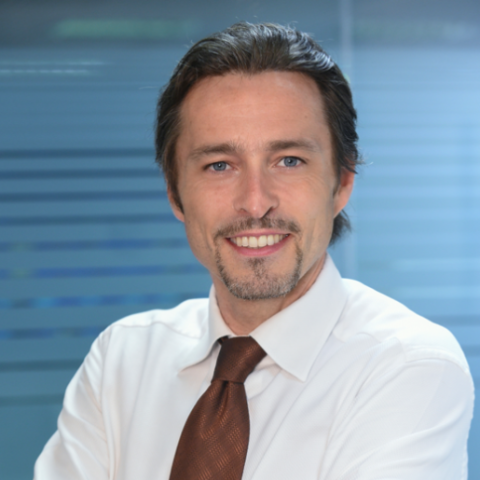
TIRANA, Feb. 15 – Prime Minister Sali Berisha continues his attacks against Prosecutor general Ina Rama despite the calls from the international community that politics should not interfere and exert pressure on her office.
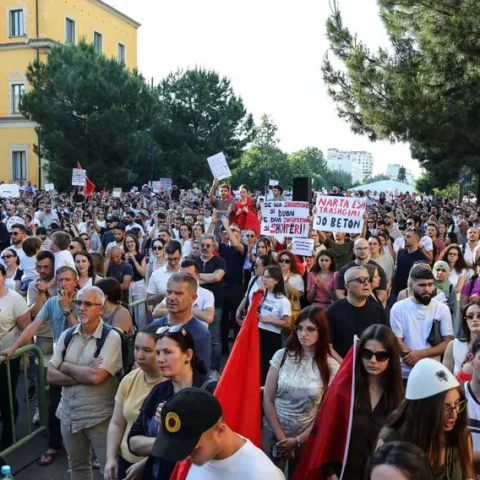
From the very start of the investigation of the Jan. 21 deadly clashes Berisha and his political grouping directly blamed Rama (not any link to the opposition leader Edi Rama) together with President Bamir Topi and head of secret intelligence police Shish Bahri Shaqiri of being part of the attempted coup.
Berisha also went further even with some nasty words against Rama.
US Ambassador Alexander Arvizu from the very first stood alongside Rama in her news conferences on the issue. He repeated his (Washington’s) support to Ina Rama time and again, together with another top official from the Department of State (Deputy Assistant Secretary of State Thomas Countryman).
So it seems a great surprise how and why Berisha continues his attacks on her.
It would be no problem if he (the governing Democrats) would vote against her to move her from the post. They do have the required numbers at the parliament.
But they would be in difficulty to find the motive for that sacking, especially at this time when the prosecutors are probing the four deaths at the deadly clashes.
Berisha on Monday joined a chorus a day earlier accusing Ina Rama of leaking the investigation information to the pro-opposition press. The Democratic Party through the head of the parliamentary group Astrit Patozi, the Socialist Movement for Integration Party of resigned former deputy premier Ilir Meta, police and an Interior Ministry forensic department, all blamed prosecutors and Ina Rama for leaking the information to the press.
Prosecutor General Ina Rama is at the focus of the daily agenda in the tiny Balkan country.
While she is investigating the Jan. 21 deadly clashes she has to cope with a strong pressure from the government, prime minister and the governing Democrats who consider her as part of the attempted coup of the opposition.
Last weekend Albanians listened to the Democrats’ parliamentary group leader Astrit Patozi calling her part of the coup, followed by Ilir Meta of the Socialist Movement for Integration, part of the governing coalition (Meta is also accused of corruption and it was the video showing him in such an corruptive effort that sparked the recent tension).
In a backup to those words police also directly accused Rama’s staff of leaking information from the investigation to the pro-opposition media. That was continued with a statement from the forensic experts.
Rama’s office had issued a statement saying that there has been no information leaked from them.
And all these words follow those of Prime Minister Sali Berisha and Parliament Speaker Jozefina Topalli against Rama.
Rama has been directly supported by the United States government that has continuously stressed she should be let free from political pressure to probe the four deaths.
Prosecutors have started the much-wanted probe with the arrest of four guardsmen and also questioning of many officials and lawmakers.
Prosecutors called for testimony opposition Socialist MPs, Paulin Sterkaj, Tom Doshi and Besnik Bare, who denied any wrong doing on their side.
“We gave our statements and cannot give any details of our declarations,” said Sterkaj. “We have not committed any criminal acts,” he said adding they did not deny the questioning despite the immunity they enjoy.
Although MPs in Albanian enjoy immunity from prosecution, they can be called to testify in front of prosecutors as someone with knowledge of the events. If the probe arrives to a conclusion that they have committed criminal acts, the general prosecutor must file a request in parliament to lift their immunity, in order for the investigation to proceed further.
Prosecutors currently are probing the murders from security forces, the organizers of the protest and the violent demonstrators that attacked the police.
justice has always been the toughest job to do and commit in post-communist Albania.
Justice is the country’s Achilles’ heel and is always mentioned from the international reports as a main shortcoming, mainly due to corruption and political pressure.
Justice is also something in which Albanians do not trust in.
So all these mean that the prosecutors’ job now is of primary importance, to show to the people and the international community they are capable of being professional and independent, and also capable of coping with the political pressure.