TIRANA, March 17 – The International Monetary Fund remains optimistic Albania will achieve its 3 percent growth target for 2015 despite the massive flooding earlier this year and a sharp drop in international oil prices affecting Albania’s exports.
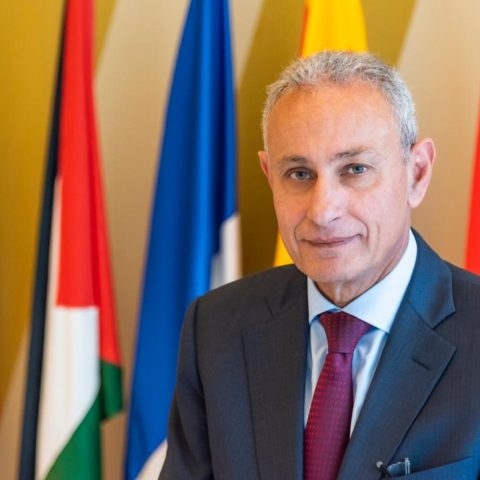
Speaking at a press conference after a two-week visit to Albania, Nadeem Ilahi who led an IMF mission said Albania’s economic program remains on track.
“Economic growth is projected to continue its moderate recovery in 2015, reaching around 3 percent, despite the recent floods and a slowdown in the oil sector,” said Ilahi at a joint press conference with the country’s finance and economy ministers and the central bank governor.
The IMF official said the high level of non-performing loans at around a quarter remains a key barrier for the recovery of lending and the economy.
“Credit growth is recovering but remains low, affected by high non-performing loans and weaknesses in contract enforcement,” added Ilahi, welcoming the commitment of the Albanian authorities to develop a comprehensive strategy to address the non-performing loans issue with the aim of improving the credit environment.
Central bank governor Gent Sejko said Albania needs to increase its competitiveness and deepen structural reforms in order to guarantee long-term growth.
The high levels of NPLs has affected lending which is struggling with growth rates of around 2 percent due to tight lending standards and poor reflection of the central bank’s easier monetary policy on interest rates for lek-denominated loans offered by commercial banks.
Central bank data shows non-performing loans dropped to 22.76 percent at the end of 2014, down from 23.22 percent in 2013, but stayed at the same to the 2012 level, registering the first annual drop since the onset of the global financial crisis in 2008.
In its latest country report on Albania, the IMF says recent regulatory and legal changes to facilitate collateral execution and increase loan write-offs are showing modest results.
“A new regulation requiring mandatory write-off of loans categorized as ‘lost’ for more than three years came into force at the beginning of 2015 and is expected to reduce non-performing loans by 3 percentage points,” says the IMF.
The IMF has disbursed around a third of its three-year Euro 334 million loan to assist Albania’s slowly recovering economy to continue paying off its accumulated debts to private companies and undertake necessary reforms to speed up growth.
The IMF concluded its permanent mission to Albania in January 2009 when relations with the Fund were reduced to an advisory role. The renewed deal in 2014 followed by tighter control on public finances and tax hikes came after the country’s economy has slowed down to growth rates of 1 to 2 percent in the past three years.