TIRANA, Feb. 14 – Sluggish domestic consumption and the euro’s free fall effect hint inflation rate will linger around the same 2 percent levels even for 2019, missing the central bank’s 3 percent target for the seventh year in a row.
Latest data published by INSTAT, the state-run statistical institute, shows consumer prices rose by an annual 1.9 percent in January 2019, up from a 1.7 percent hike in January 2018, hinting the Albanian government and central bank’s target of inflation picking up to 2.7 percent in 2019 and meeting the 3 percent target in 2020 will be difficult to achieve.
The International Monetary Fund predicts Albania consumer prices will gradually rise to reach their 3 percent target only by the end of 2021.
Albania had also set a 2.7 percent inflation target for 2018 after consumer prices hit a 5-year high of 2 percent in 2017 following a 16-year low of 1.3 percent in 2016, but inflation remained virtually unchanged at 2 percent amid sluggish consumption and Europe’s single currency losing around 7 percent against the Albania lek, putting disinflationary pressure that made imports from the Eurozone much cheaper.
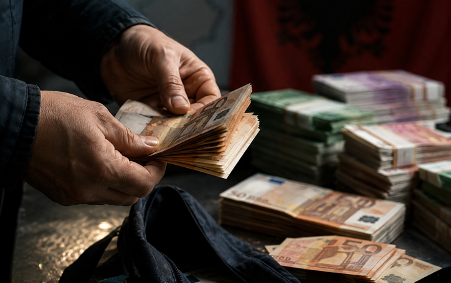
In a bid to curb disinflation pressure as the euro dropped to a 10-year low of 125 lek in mid-2018, Albania’s central bank intervened by cutting the key rate to a new historic low of 1 percent and undertook emergency intervention to purchase excess euros in the country’s free floating exchange rate regime.
However, plans to undertake potential hikes in the benchmark rate following a decade of easy monetary policy could make easier achieving the 3 percent target, estimated to have a positive effect on stimulating economic growth and consumption in an emerging economy such as Albania.
Income from the value added tax that Albania applies at a fixed 20 percent on almost all products and services, and the excise duties it levies on the so-called luxury products, mainly on fuel, tobacco, coffee and beer, only modestly increased or remained unchanged in 2018, hinting of sluggish consumption.
Albania’s central bank applied a 2 to 4 percent annual target range on inflation for about 15 years until 2015 when the target was changed to 3 percent, reflecting Albania’s stage as a small, open and developing economy.
In the early 1990s following the transition to democracy and a market economy, Albania’s central bank applied inflation targets of 10 to 12 percent and even a record 53 percent in 1997 when the notorious pyramid investment schemes collapsed, triggering double-digit inflation of 44 percent and temporarily placing the country in a state of turmoil.
International financial institutions expect the country’s economy to slow down to 3.5 to 3.7 percent this year after hitting a decade high of 4.2 percent in 2018.
Vegetable prices soar
Food and non-alcoholic beverages, the main item in the consumer basket, rose by an annual 4.3 percent last January, with the hike mainly attributed to a sharp 36 percent increase in the “vegetables including potatoes” sub-group.
Experts attribute the hike to lower domestic production and orientation toward much more profitable foreign markets.
Potato and onion prices have soared to around 100 lek to 120 lek/kg (€1) during this year, almost double compared to a year ago, in prices that are considered too high for more than a quarter of Albania’s population relying on $5 a day.
Farmers’ decision to cultivate less potato and onion for 2018 was affected by the 2017 overproduction that led to considerable part of production being sold too cheap or go rotten lacking warehousing facilities.
In addition, much of the vegetable production in the Fier region is being destined for exports, with rising demand by regional and EU markets pushing local prices up.
Albania had an overproduction of apples and citrus this year, leading to prices as low as 30 lek (€0.24)/kg amid poor demand and inability to tap export markets.
Albania has one of Europe’s lowest consumer prices, but consumption rates are still far below the EU average hampered by income at around a third of the EU average and half of the new EU member states.
A report by Eurostat, the EU’s statistical office, has shown Albania’s price levels for consumer goods and services are at 50 percent of the EU average, Europe’s second lowest, but consumption rates at 60 percent below the EU average.