It was the first anniversary of Kosovo independence last week. Aside from a few page seven columns it got little notice in Britain or the US. Nor did the poll commissioned by a Kosovo thinktank that only 6% of convicted heroin dealers in Italy were ethnic Albanian. 60% were Italian and 21% North African, apparently. How many of the Italian citizens were in fact Albanian in origin was not revealed. Its all how you present it.
So how is Kosovo doing? Not very well, really. At least on the diplomatic front. The Serbians have succeeded in preventing some of the major players, even EU countries such as Spain, from recognising the state at all, in addition to the usual suspects of Russia, China et al, who will be recognising Kosovo when hell freezes over. Three quarters of the world’s countries have not recognised Kosovo.
In the long run, if this situation persists Kosovo is in serious trouble. With its major neighbour not talking to it, and more importantly not allowing trade, development is hardly assured. They shot themselves in the foot badly by the way they treated their Serbs. The riots of 17th March 2004 being almost certainly orchestrated by individuals now within the government were a bad strategic mistqake, as they cast real doubts, or even more real doubts on the good faith of those in charge.
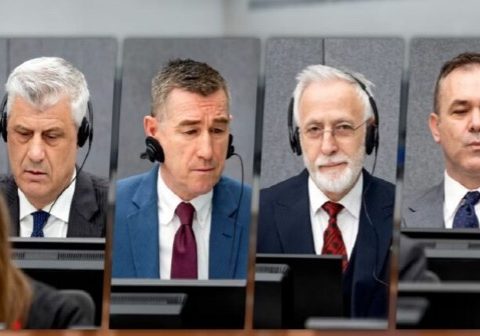
I have to say, seeing Thaci as Prime Minister is an afront. The German intelligence service BND has indicated that he was heavily involved in organised crime. It is surely nothing less than a disgrace that he is the face of Kosovo. Mind you, I suppose, Berlusconi is Prime Minister of Italy, so it is hardly unique. Whatever the truth about the BND conclusions (and who do you believe?) for decent Serbs who still await the return of over 1000 dead civilians’ bodies from wherever KLA killers disposed them, Kosovo is not now their country.
Kosovo has to work the war criminals and gangsters out of its system, as Serbia is doing. Thankfully Harudinaj and Limaj, the KLA ‘indictees acquitted at the Hague after witnesses mysteriously failed to give evidence, seem no longer to be openly in government. Similarly Agim Ceku, who came within a hairs breadth of an indictment in the Hague due to his dubious activities in the Croatian so-called Army, is no longer running the the Kosovo Security Force as I believe it is now called.
If it wishes to begin to be taken seriously, Kosovo needs to have serious people governing it. There are very many excellent men and women in Kosovo, They need their chance. Ex-guerrillas of dubious integrity have got to go.