
TIRANA, Jan. 17 – After a special display of 45 days and drawing a record 1.7 million visitors, an unprecedented figure in the history of exhibitions, Skanderbeg’s arms are back in Austria. The Albanian national hero’s sword and helmet were displayed at the National Museum of History for one and a half months as part of events commemorating the country’s 100th anniversary of independence, arriving home for the first time after more than five centuries.
“The exhibition was visited by 1.7 million people, an unprecedented figure in the history of Albania’s museums. On November 28, the 100th anniversary of Albania’s independence, some 400,000 people visited the national hero’s arms,” said Luan Malltezi, the museum’s director.
Skanderbeg’s arms were displayed under tight security measures and insured under a Euro 35 million fund. Apart from the sword and helmet, an oil painting and a codex by Jakob Schrenk von Notzing, were also displayed in the museum. The sword and helmet of Scanderbeg, Albania’s 15th century national hero who for more than two decades kept the Ottoman army away from Albania and the region, came home on November 22 from Vienna. The armament was displayed in an enclosed glass case in the Middle Ages pavilion. A national hero, Skanderbeg who in the 15th century era successfully managed to keep the Ottoman army away from Albania for more than 20 years, is a symbol of unity who inspired Renaissance writers in the late 19th and early 20th centuries.
Skanderbeg’s repeated defeats of overwhelmingly larger Ottoman forces were attributed to his first-hand knowledge of Turkish military tactics and his brilliant leadership and battle strategies. Yet, all that remain of Scanderbeg’s personal military armament are his helmet and sword which are now preserved in the Kunsthistorisches Museum in Vienna, Austria.
How Scanderbeg’s personal belongings turned up in Vienna so far away from his native land of Albania is attributed to the 16th Century Archduke Ferdinand II of Tirol and, especially, his secretary, Shrenke, according to Frosina.org.
The first mention of Scanderbeg’s sword and helmet was in a letter dated October 15, 1578, from the Duke of Urbino to Archduke Ferdinand stating that he would send the helmet and sword to Ambras.
In 1605, Ambras castle including the armory was sold to the Austrian Emperor where Scanderbeg’s sword and helmet remained until 1806 when they were transferred with the rest of the military artifacts collection to Belvedere castle and finally, in 1888, to the Kunsthistorisches Museum in Vienna where they have remained on display to the present day.
It is believed that Scanderbeg’s helmet and sword were brought to Italy by his wife and son and other members of his family who had emigrated to Italy after Scanderbeg’s death in 1468 where they were eventually acquired by the Duke of Urbino.
Record 1.7 million people visit Skanderbeg’s arms

Change font size:




Latest from Culture

Spain Rules the World Again
Change font size: - + Reset Spain clinches second FIFA World Cup title as Europe continues its dominance on football’s biggest stage By Gautam Karve, Editor-in-Chief, World Media Organization Tirana Times, July

K’cimi dancing of Tropojë – Gazmend Freitag
Change font size: - + Reset by Monika Grill Tirana Times, July 11, 2026 – “K’cimi i Tropoja” – the dance that endured over centuries and kept the Albanian identity alive, has

In Search of Albania’s Soul: Manuel Montobbio Returns to Tirana Through Literature
Change font size: - + Reset Tirana Times, July 02, 2026. The Albanian Institute for International Studies and Tirana Times book house hosted a special literary evening in Tirana with Ambassador Manuel Montobbio, diplomat, writer, poet

This Auditorium Comes With a Price Tag -Corruption in Albania’s Public Universities
Change font size: - + Reset Corruption remains one of Albania’s most stubborn obstacles toward development and its dream for European integration. Although the country marked its biggest historical leap in Transparency
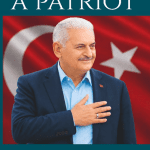
The Heart Of A Patriot That Beats For The People
Change font size: - + Reset by Dr. Jorgji Kote Tirana Times, June 11, 2026 – ”Heart of a patriot” is the new book dedicated to Binali Yildirim, an outstanding political leader and personality