TIRANA, July 13 – A Serbia-Kosovo legal dispute over the transmission grid is holding back the operation of a newly built Albania-Kosovo interconnection line and Albania plans to set up a joint energy market and a power exchange with Kosovo
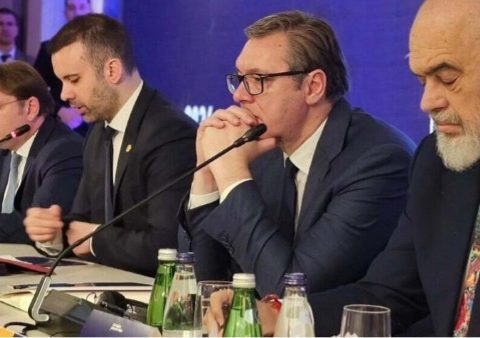
Speaking this week at an international energy meeting held in Tirana, Prime Minister Edi Rama said he had discussed the issue with his Serbian counterpart Aleksandar Vucic and hoped the dispute would come to an end by the end of this year.
“We are very happy that we finally have an interconnection line with Kosovo. We have to solve an outstanding issue between Kosovo and Serbia but during a meeting with the Serbian counterpart in Paris, there was progress in this direction and I am hopeful that everything will be solved within this year. This is what he told me,” said Prime Minister Rama.
Rama’s comments came at an international meeting of experts on reliable and stable transit of energy organized by Brussels-based Energy Charter Secretariat. The international meeting served as a platform to discuss the role of transit in global and regional energy security and focus on the integration of energy markets in the Euro-Mediterranean.
Eight years after its independence from Serbia, Kosovo’s Transmission System and Market Operator (KOSTT) says it does not receive compensation for transmission going through its network and is barred from allocating transmission capacity on interconnectors in neighboring Albania, Macedonia and Montenegro. Serbia still de jure owns the Kosovo distribution grid while an EU-mediated deal between the Serbian and Kosovo transmission operators as part of the normalization of relations between the two countries signed back in 2014 has remained only on paper.
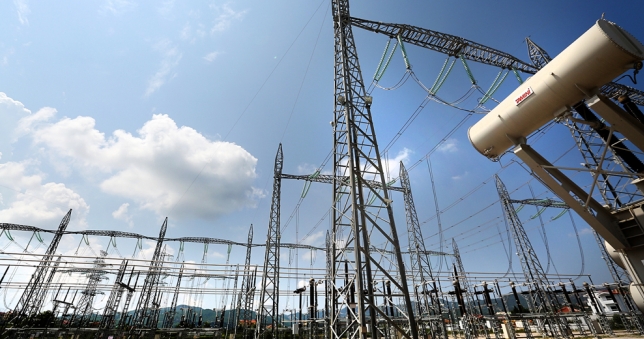
Two weeks ago, Albania and Kosovo inaugurated a 400 kV interconnection line that will help the two neighboring countries increase energy security by diversifying electricity resources and set up a joint energy market.
The new interconnection line and the power exchange will help Kosovo’s lignite-fired power plants and Albania’s hydro-dependent electricity system exchange electricity during their peak production levels, reducing dependency on costly imports.
Kosovo Prime Minister hailed the completion of the energy project as equally important to the so-called Highway of Nation linking the two countries.
The KfW-funded project linking Albania to Kosovo is completing Albania’s connection to its neighbors after the completion of the 400 kV Tirana- Podgorica interconnection line, linking Albania to Montenegro.
Albania is also planning to build an interconnection line with neighboring Macedonia to integrate into regional and European energy markets.
The Albanian-state run electricity sector is currently wholly hydro-dependent but is expected to benefit from the under-construction Trans Adriatic Pipeline which will hopefully make operational a newly built thermal power plant in Vlora due to its lower costs on gas operation.