
TIRANA, Feb. 23 – An exhibition featuring traditional objects used in Tirana households since 1920, when Tirana became the capital city of Albania is being displayed at the Museum of Monumental Clocks. The exhibition “Culture and continuity” features traditional objects such as jewelry, wooden and clothes items created by local Tirana craftsmen.
It is open at the Clocks Museum, next to the Tirana clock tower in the capital’s central square from Monday to Friday from 08.00 to 16.00 hrs and at weekends from 8.00 to 14.00.
Open since more than one year, the Museum of Monumental Clocks features the history of Albanian clock towers. Situated next to Tirana’s Clock Tower in the city centre, in the place known as the “the clockmakers’ shop” it showcases designs and photos of clock towers in Albanian cities during the 16th and 17th centuries when Albania was under the Ottoman rule.
Built in 1822, the 35-metre Clock Tower has 90 spiral steps and was the tallest building in the capital until 1970. The Tower is located in the heart of the capital next to the Et’hem Beu Mosque. Its clock has been replaced several times most recently in 1970 with a Chinese one. The Clock Tower has been open to tourists since 1996.
Tirana was established in 1614 by Sulejman Pasha from the village of Mullet. Firstly, he constructed a mosque, a bakery and a Turkish sauna.
However, the capital outskirts boast settlements and archeological heritage dating back from ancient times such as the Paleochristian basilica near Peza of the 3rd century (Durak village), and the 4th century basilica of Tirana or the Church of Kroi i Sh쯧jinit.
The Tirana district also has two fortresses, the 4th-century Petrela fortress and the 15th- century Preza fortress.
Traditional Tirana household items on display at “culture and continuity”

Change font size:


Latest from Culture

Spain Rules the World Again
Change font size: - + Reset Spain clinches second FIFA World Cup title as Europe continues its dominance on football’s biggest stage By Gautam Karve, Editor-in-Chief, World Media Organization Tirana Times, July
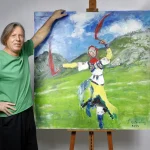
K’cimi dancing of Tropojë – Gazmend Freitag
Change font size: - + Reset by Monika Grill Tirana Times, July 11, 2026 – “K’cimi i Tropoja” – the dance that endured over centuries and kept the Albanian identity alive, has

In Search of Albania’s Soul: Manuel Montobbio Returns to Tirana Through Literature
Change font size: - + Reset Tirana Times, July 02, 2026. The Albanian Institute for International Studies and Tirana Times book house hosted a special literary evening in Tirana with Ambassador Manuel Montobbio, diplomat, writer, poet

This Auditorium Comes With a Price Tag -Corruption in Albania’s Public Universities
Change font size: - + Reset Corruption remains one of Albania’s most stubborn obstacles toward development and its dream for European integration. Although the country marked its biggest historical leap in Transparency

The Heart Of A Patriot That Beats For The People
Change font size: - + Reset by Dr. Jorgji Kote Tirana Times, June 11, 2026 – ”Heart of a patriot” is the new book dedicated to Binali Yildirim, an outstanding political leader and personality