TIRANA, July 10 – Albania’s electronic communications watchdog says it is worried that the downward trend in income generated by mobile and other electronic communications operators in Albania will negatively affect the level of investment and the quality of service in the country.
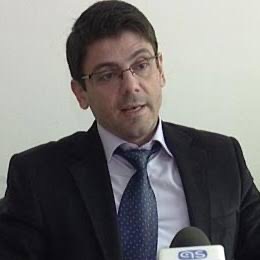
The warning is issued by Ilir Zela, the head of Albania’s electronic communication authority, AKEP, introducing in Parliament last week the 2017 annual report of the institution regulating the mobile, fixed telephony and internet service providers whose last year’s income dropped by double-digits.
“The 13 percent decline in income generated by electronic communications operators in 2017 reinforces the downward trend in the sector for several years now and unveils the fact that market operators have not absorbed to their advantage the technological changes that have taken place,” Zela told MPs.
“This situation constitutes an important issue and a concern for AKEP because if this downward trend does not come to an end and is not replaced by sustainable growth, it will negatively influence on the operators’ ability to invest and at the same time affect the quality of mobile and fixed electronic services as well as consumer benefits,” he said, adding that the issue becomes even more pressing at a time when Albania is trying to bridge the digital gap with EU member countries.
Albania’s four mobile operators, reduced to three in January 2018 following the market exit of the sole Albanian-owned operator, saw their revenue drop by an annual 12 percent to 29.7 billion lek (€234 mln) in 2017, the lowest level since 2003 when only two mobile operators were offering their services in the country. Mobile operators’ income accounts for 80 percent of total revenue generated by electronic communications market that also includes some 170 internet service providers and dozens of data transmission and value added services operators.
The decline in income is part of a downward trend since almost a decade triggered by tougher competition and smartphone apps replacing traditional phone calls and text messages, especially when it comes to expensive international phone calls.
Investments by the country’s mobile operators slightly recovered to 2.7 billion lek (€21 million) in 2017 following a record low of only 1.1 billion lek (€8.7 mln) in 2016, but a small portion of the investment also involves the purchase of the Plus Communication stakes by the two largest mobile operators.
The three remaining foreign-owned mobile operators were ordered by AKEP watchdog to switch back to offering 30-day pre-paid packages last June after cutting the packages to 28 days for the past couple of years, increasing consumer costs in practices not applied in regional countries.
Fewer subscribers after Plus exit
Last January’s exit of Plus Communication seven years after launching its operations as the fourth and sole Albanian-owned mobile operator did not bring any significant changes on the three remaining operators in terms of the number of subscribers in early 2018, especially for UK-based giant Vodafone Albania and Telekom Albania, part of Deutsche Telekom, who each purchased a 50 percent share in Plus’s operations.
Plus Communication had some 205,800 active subscribers at the end of 2017, some 6 percent of the total 3.5 million active subscribers who made or received at least one call or text message in three months.
However, an early 2018 AKEP report shows the number of active mobile phone subscribers was down to about 2.78 million in the first quarter of this year, the same to Albania’s current resident population, having dropped by 20 percent compared to the end of 2017 and down by 16.6 percent compared to early 2017.
Turkish-owned Albtelecom, the third largest mobile company operating in Albania, was the sole operator to register an annual increase in the number of active subscribers apparently making use of the number portability service, allowing subscribers to port their numbers to any of the three remaining mobile companies operating in Albania within 24 hours and free of charge.
Meanwhile, the number of subscribers who had access to 3G and 4G services in early 2018 dropped to 1.88 million, down from about 2 million and a penetration rate of 72 percent at the end of 2017, compared to only about 10 percent of the population in 2011 when 3G services were first offered.
In 2017, an active Albanian mobile phone subscriber paid an average of 3.12 lek (€0.024)/minute (VAT included) and spend an average of 509 lek (€4) a month on mobile services, in slightly higher rates compared to 2016, but at one of cheapest rates in the Western Balkans.
The overwhelming 90 percent of Albania’s active subscribers are pre-paid customers.