
TIRANA, Sep 8 – The Albanian Mine Action Executive (AMAE) is the coordinating body for the removal of the mines in the northeastern area and it has also started a program to improve services and opportunities for survivors in the northeast and throughout the country.
It also is trying to find more funding to ensure that the programme lasts beyond the end of the mine action program in 2010 by increasing national funding for the disability strategy and involving appropriate international partners.
Survivors have been involved in such a project resulting in services appropriate to their needs.
Psychological support has improved but required continued capacity building.
Most survivors from the northeast continued to be dependent on AMAE and the NGO to access the now-improved services in the region because they live in isolated rural areas.
Considerable contributions have been made toward bringing medical capacity close to survivors, but their impact may have been lessened by the generally poor state of services in the region.
Sustainability of the programme relies on sufficient national capacity and on the implementation of the national disability strategy. It would not be effective to continue specialized programs for survivors, but general disability initiatives, thus far, have been ineffective.
Mine fields from the 1998-1999 Kosovo crisis are found in the north-eastern border districts of Kuk쳬 Has, and Tropoj롷hen the Serb army laid minefields. Also during the conflict the Serb army and NATO used cluster munitions which spilled into Albania.
Civil unrest in 1997 included looting from military depots and subsequent abandoned explosive ordnance (AXO) contamination throughout the country, which is ongoing due to the intermittent abandonment of illicitly possessed weapons caches.
As of 2008, in northeastern Albania, 43 suspected hazardous areas cover 1.6 km2 and unquantifiable levels of AXO contaminate most other regions. The affected population is unknown, but incidents have occurred in all regions.
Poverty in the mine -affected rural mountain areas remained higher than the national average (26.6% compared to 13%) and relatively constant, whereas the national average decreased.
While immediately after the 1998-1999 conflict there was a significant international presence in northeast Albania, most organizations had pulled out by 2004. They left behind an insufficiently state-funded infrastructure, which subsequently reduced the capacity. Nevertheless, Albania has made strides in developing all the components in the northeast since the introduction of an initial plan in 2003.
The mine action program was scheduled to be completed in 2010. In the absence of a fully functioning disability strategy, the future prospects for survivors are uncertain.
Internationally, the Albanian VA program has benefited from participating actively in Mine Ban Treaty meetings and has been able to demonstrate the consistency of its program.
Albania’s example and its lessons learned under the VA26 process could be very useful to other states in the process.
More attention needed to mine-affected victims

Change font size:


Latest from News
Saudi Ambassador Presents Credentials To Albanian President As Ties Gain Momentum
Change font size: - + Reset Tirana Times, June 05, 2026 – Saudi Arabia’s new ambassador to Albania, Turki Ibraheem Almadhi, presented his credentials to President Bajram Begaj, marking the formal start

Germany’s New Enlargement Formula and Albania’s European Illusion
Change font size: - + Reset For Albania, the real issue is not which accession model Europe chooses, but whether democracy, rule of law, and state integrity can still be restored. By

Pushing Against Inertia: How Harnex Is Testing the Balkans’ Appetite for Innovation
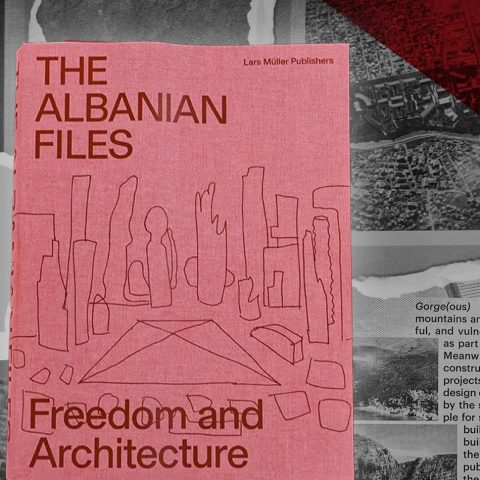
Change font size: - + Reset Tirana loves a good spectacle. Walk through the capital today and you are greeted by sleek new glass towers, vibrant urban spaces, and a relentless political
Shadow Fleet, Weak Oversight: How Russian Sanctions Evasion Reached Albania’s Ports
Change font size: - + Reset Tirana Times, May 18, 2026 – Albania’s ports have emerged as a potential weak point in the international effort to enforce sanctions against Russia, following revelations

Albania–Italy Migration Deal Continues
Change font size: - + Reset Tirana Times, May 13, 2026 — The Albania–Italy migration agreement remains in force, despite a brief but politically sensitive controversy triggered by comments from Albanian Foreign Minister Ferit