TIRANA, Oct. 29 – Albania is preparing to launch applications that enable local farmers and agribusinesses access to EU funds after the European Commission has officially greenlighted the start of the implementation of IPARD II, the Instrument for Pre-accession for Rural Development programme.
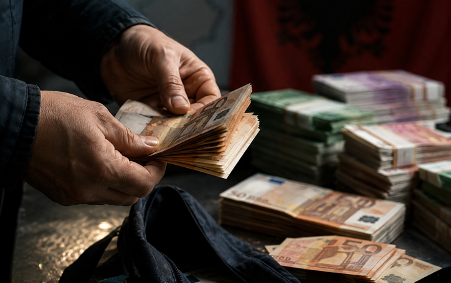
IPARD II enables Albanian farmers and agribusinesses to have access to €71 million funded by the EU for the period 2014-2020 – which will be complemented with €23 million by the Albanian government – making altogether €94 million of funding available for investment in agriculture and rural development, says the EU Delegation to Albania.
EU Ambassador to Albania Luigi Soreca encouraged Albanian farmers and agribusinesses to be proactive, seize the opportunities created by the IPARD II funds and apply for financial support.
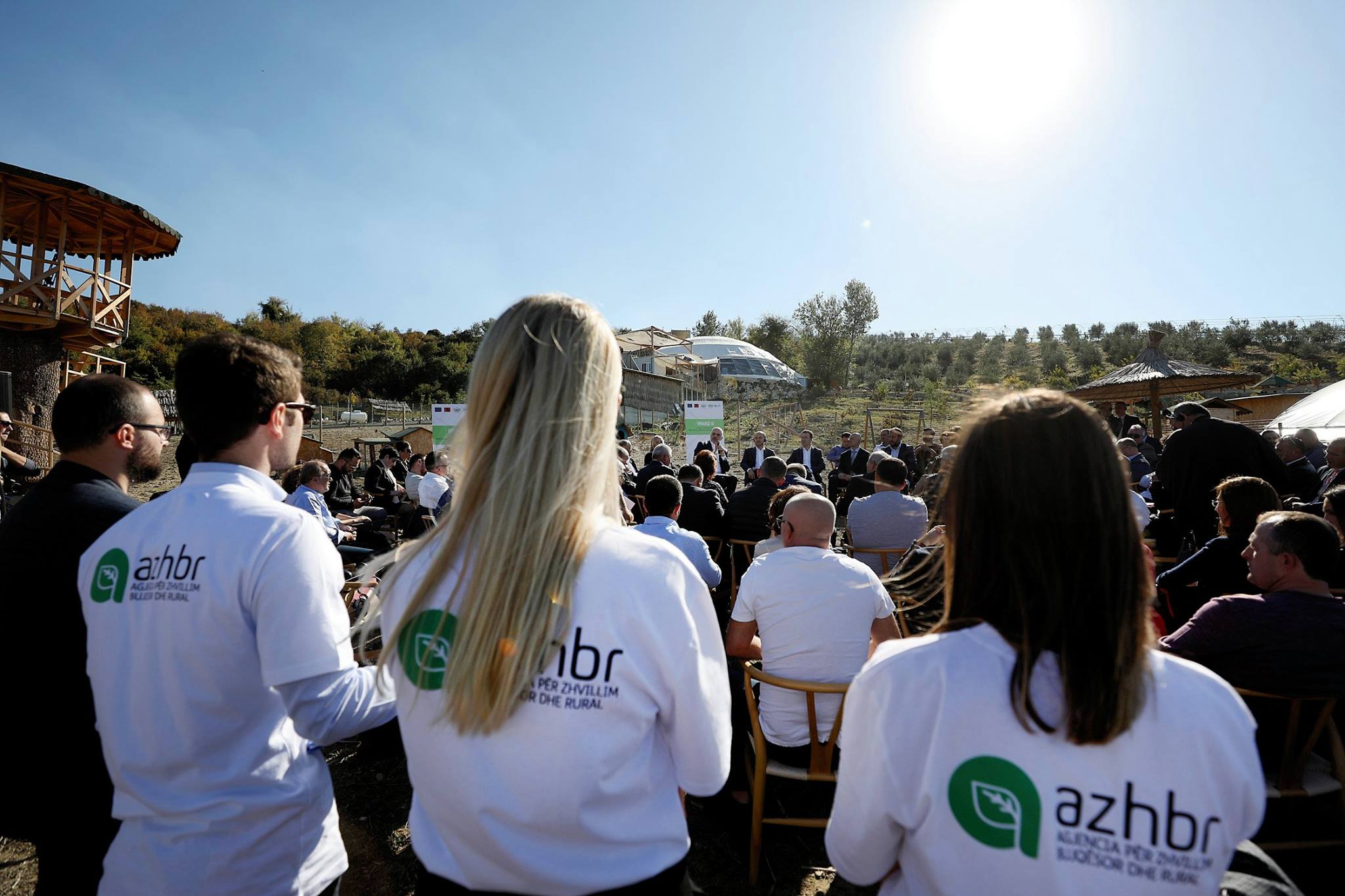
“If you have ideas or dreams for your activity, now is the time to take your chance! If you want to improve, innovate and enlarge your farm, or set up an agri-processing, or diversify your agricultural activities – this opportunity is unique,” Ambassador Soreca said last weekend speaking at an IPARD II launch ceremony at an agribusiness facility outside Durres, Albania’s second largest city and the country’s traditional main tourist destination.
“IPARD II will substantially enhance Albania’s agricultural sector competitiveness, and its productivity, but it will also improve living conditions in rural areas, create new jobs especially for young people and women, and improve cooperation among enterprises and farms,” he added.
Albania’s Agriculture Minister Niko Peleshi says Albania will launch the first call for applications on November 30, giving farmers and agribusinesses a two-month deadline to apply.
According to him, Albania’s main two challenges in absorbing EU funds is formalizing the agriculture sector and meeting Albanian and EU standards.
The three areas covered by IPARD II include investments in physical assets of agricultural holdings, processing and marketing of agricultural and fishery products and farm diversification and business development.
Agriculture is a key sector of the Albanian economy that employs about half of the country’s population but which due to its poor productivity provides only about a fifth of the national output.
Unclear property titles for around half of the country’s agricultural land is a key barrier for the development of larger farms and access to local and EU subsidies that could make Albania’s products much more competitive.
In addition to land fragmentation, poor financing, lack of subsidies and key infrastructure such as irrigation as well as a high tax burden are a serious problem for Albania’s agriculture sector, with high costs often making local products uncompetitive.
Agriculture is also one of the most informal sectors of the Albanian economy with only a tenth of farmers possessing tax ID numbers that make that eligible for local and EU funds.
An EU candidate since mid-2014, Albania is hopeful of launching accession talks next year pending progress in reforms following a positive recommendation issued by the European Commission earlier this year.