
TIRANA, Feb. 22 – More than a decade after the 1999 Kosovo conflict left behind a trail of mines and unexploded ordinances along Albania’s northern border, the country has been declared officially mine-free thanks to a joint UNDP and Government de-mining programme that also provides assistance to mine victims.
As a result of the programme, over 16 million square meters of land in northeastern Albania were cleared of mines and unexploded ordinances, which are weapons like bombs and bullets that did not explode when they were initially used and still pose a threat to anyone who might stumble onto them. Altogether, the programme led to the clearance of over 12,000 anti-personnel and 152 anti-tank mines while almost 5,000 unexploded ordnances were found and destroyed.
Along with providing financial, technical and policy advisory support to government institutions charged with clearing the mines, UNDP also embarked on a mine risk education project in affected communities, resulting in the end of mine accidents within several years of the programme’s start.
To provide effective and ongoing support to the 238 people who were injured by the mines, UNDP established the National Prosthetic-Orthotic Center in a regional hospital in northern Albania, staffed with two medical specialists, a physiotherapist, a neurologist and a prostheses repair technician. An additional 30 nurses from the affected communities were also trained with the skills required to support the rehabilitation needs of mine survivors.
Many survivors have benefited from UNDP-supported vocational training for mine survivors and their family members. Over 80 families have established animal husbandry businesses after receiving technical assistance and micro loans whole another 95 have completed vocational training courses
A mine-free Albania

Change font size:
Latest from News
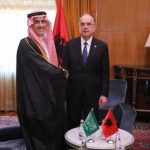
Saudi Ambassador Presents Credentials To Albanian President As Ties Gain Momentum
Change font size: - + Reset Tirana Times, June 05, 2026 – Saudi Arabia’s new ambassador to Albania, Turki Ibraheem Almadhi, presented his credentials to President Bajram Begaj, marking the formal start

Germany’s New Enlargement Formula and Albania’s European Illusion
Change font size: - + Reset For Albania, the real issue is not which accession model Europe chooses, but whether democracy, rule of law, and state integrity can still be restored. By

Pushing Against Inertia: How Harnex Is Testing the Balkans’ Appetite for Innovation
Change font size: - + Reset Tirana loves a good spectacle. Walk through the capital today and you are greeted by sleek new glass towers, vibrant urban spaces, and a relentless political
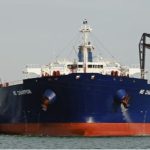
Shadow Fleet, Weak Oversight: How Russian Sanctions Evasion Reached Albania’s Ports
Change font size: - + Reset Tirana Times, May 18, 2026 – Albania’s ports have emerged as a potential weak point in the international effort to enforce sanctions against Russia, following revelations
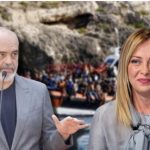
Albania–Italy Migration Deal Continues
Change font size: - + Reset Tirana Times, May 13, 2026 — The Albania–Italy migration agreement remains in force, despite a brief but politically sensitive controversy triggered by comments from Albanian Foreign Minister Ferit