TIRANA, June 20 – Albania’s consumer goods and services rose to slightly more than a half of the EU average in 2017 although GDP per capita and consumption levels remained virtually unchanged at about a third of the EU 28, hinting an increase in the cost of living.
At 52 percent of the EU average, Albania’s 2017 consumer goods and service prices rose by 3 percentage points compared to a year earlier, but GDP per capita and household consumption measured in purchasing power standards remained unchanged at 29 percent and 37 percent of the EU average respectively, according to Eurostat, the statistical office of the European Union.
While Albania’s consumer prices are one of the lowest among EU aspirant Western Balkan countries, higher only compared to Macedonia’s 47 percent and Serbia’s 51 percent of the EU average, they are on par to EU member Romania and higher compared to Bulgaria’s 48 percent.
GDP per capita both in Bulgaria and Romania is about twice higher compared to Albania.
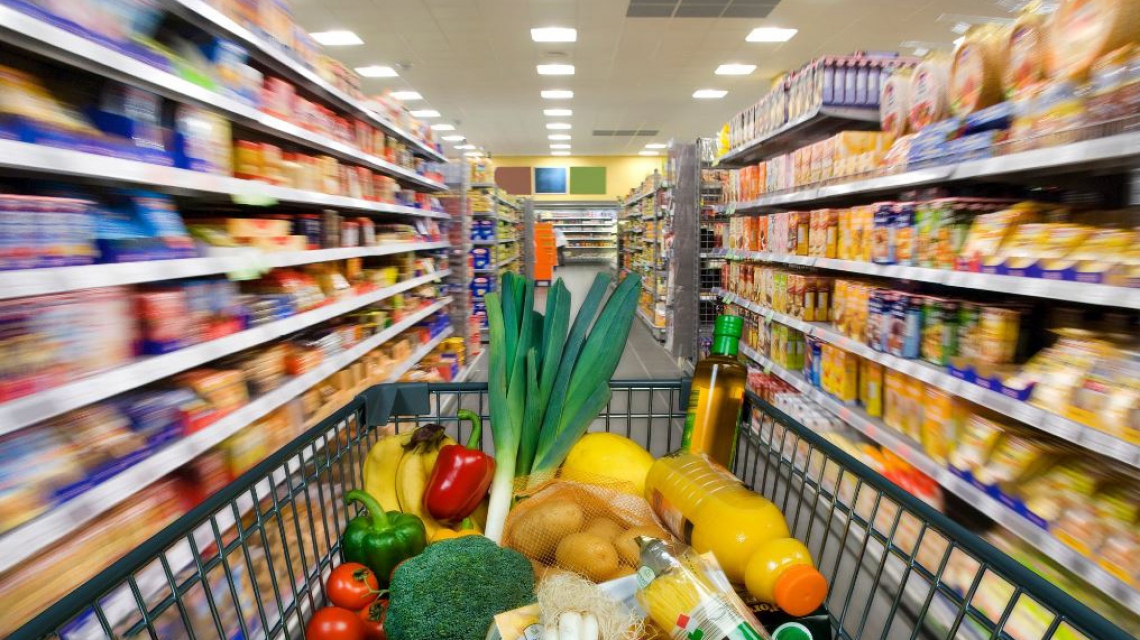
Food and non-alcoholic beverage prices, the key item in Albania’s consumer basket accounting for 36 percent of monthly household spending, hit a record high of about three-quarters of the EU average in 2017 to rate one of the highest among regional countries, higher even compared to EU members Poland and Romania.
A net importer, Albania applies a standard 20 percent value added tax on almost every product and service, including basic food products which contributes to the high food prices.
Overwhelmingly imported, clothing items in Albania are also priced at only 3 percent below the EU average while consumer electronics prices stand at 6 percent above the EU average.
However, Albania has Europe’s cheapest hotel and restaurant prices at 60 percent below the EU average.
At 40 percent of the EU average, Albania’s price levels on restaurants and hotels are the lowest among 37 European countries, including 28 EU members, three EFTA states and six EU aspirants.
Restaurant and hotel price levels among regional competitors range from 43 percent in Macedonia, 58 percent in Montenegro, 63 percent in Turkey, 82 percent in Greece, and 5 percent above the EU average in Italy.
Albania’s inflation rate hit a 5-year high of 2 percent in 2017 amid an apparent freeze in wages by the private sector accounting for the majority 80 percent of jobs in the country.