
TIRANA, Dec 9 – On the International Anti-Corruption Day against corruption, western diplomats again lectured Albania that without fighting corruption they should hardly expect to get integrated into the European Union, the country’s top priority for the future years.
Corruption has been a main obstacle for many years.
It is very much believed that it starts from the top and then extends in dangerous levels below.
Europe is saying openly, you should do your work to expect more.
That was what the Danish ambassador said Wednesday, referring to the visa-free regime, that the country expects to get in mid-2010. The ambassador made it clear that is not a reward but something that should be achieved on your own.
OSCE Ambassador Robert Bosch openly said that justice remains a big issue in this country. Its independence and also corruption are its priorities. Bosch said it should be clear that politics should not interfere in the judicial institutions. But, on the other side, fighting corruption among the legal officials is a focus to work upon.
The fight against corruption cannot be waged with corrupt or dependent judges, he said.
Bosch said that helping Albania fight corruption, “Ʃs a major priority for the OSCE.” The OPSCE is supporting national institutions and civil society in promoting good governance principles and taking other measures to combat corruption.
“No country – however democratic – will ever be totally free from the evil scourge of corruption,” he said. “However, when corruption takes a ‘foothold’ it will negatively impact on every aspect of life. Corruption destroys national economies, undermining social stability and eroding public trust. Corruption lowers tax revenues, inflating the costs of public services, distorting private sector competition and, in its ugliest manifestation, condemning vulnerable groups to poverty.”
He hailed Albania’s efforts against corruption in the recent years.
“However… corruption remains prevalent in many sectors in Albania.”
“Transparency of party financing was one among such clear signs, he said. The commitment of the national authorities to combat corruption is not always mirrored by consistent implementation of existing legislation and the application of law enforcement.
“The fight against corruption cannot be won without a functional judiciary. The Albanian judiciary must establish itself as a body that is fully independent. This means independent of political influence, but it also means that judges cannot be bought or pressured by parties to cases. Only such a judiciary can deal efficiently with corruption cases coming out of the public administration,” he said.
A free media must serve as a strong and vigorous instrument to expose possible corruption in public life and thus deserves special protection.
“As Albania steps into 2010, marking twenty years since the fall of communism, it would surely be a major disappointment if the major progress made by the country in social, political and economic reforms be derailed by an inability to tackle the root causes of corruption and thus delay the moment when Albania finally realizes all of its EU aspirations.”
British Ambassador Fiona McIlwham also said that Europe has underlined the urgency of fighting, denouncing the “culture of impunity” in public life and the need to establish a convincing track-record in anti-corruption cases.
“The fight against corruption is important not just for Albania’s future European integration but for the Albanian people. There is a very real and human cost to corruption.”
Corruption remains a big obstacle to further integration

Change font size:
Latest from News
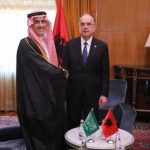
Saudi Ambassador Presents Credentials To Albanian President As Ties Gain Momentum
Change font size: - + Reset Tirana Times, June 05, 2026 – Saudi Arabia’s new ambassador to Albania, Turki Ibraheem Almadhi, presented his credentials to President Bajram Begaj, marking the formal start

Germany’s New Enlargement Formula and Albania’s European Illusion
Change font size: - + Reset For Albania, the real issue is not which accession model Europe chooses, but whether democracy, rule of law, and state integrity can still be restored. By

Pushing Against Inertia: How Harnex Is Testing the Balkans’ Appetite for Innovation
Change font size: - + Reset Tirana loves a good spectacle. Walk through the capital today and you are greeted by sleek new glass towers, vibrant urban spaces, and a relentless political
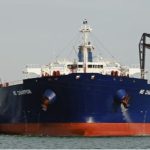
Shadow Fleet, Weak Oversight: How Russian Sanctions Evasion Reached Albania’s Ports
Change font size: - + Reset Tirana Times, May 18, 2026 – Albania’s ports have emerged as a potential weak point in the international effort to enforce sanctions against Russia, following revelations
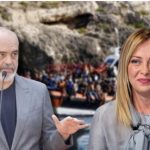
Albania–Italy Migration Deal Continues
Change font size: - + Reset Tirana Times, May 13, 2026 — The Albania–Italy migration agreement remains in force, despite a brief but politically sensitive controversy triggered by comments from Albanian Foreign Minister Ferit