
TIRANA, Oct. 26 – In their last mediation effort Ambassador Helmuth Lohan of the Delegation of the European Commission and German Ambassador Hans-Peter Annen on behalf of the Finnish EU Presidency met with Deputy Prime Minister Ilir Rusmajli of the governing Democratic Party and chairman of the opposition Socialist Party Edi Rama, the EU office reported Thursday. The European Union reminded Albania that holding free and fair elections was an important factor for their European integration perspective. Lohan and Annen conveyed “the position of the EU regarding the forthcoming local government elections,” according to a statement. Albania is expected to hold local elections between Dec. 20 and Jan. 20 but the two main political groupings have yet to launch an electoral reform they agreed in late August following international mediation. The EU “underlined the importance of free and fair elections for Albania; recalled that the preparation and conduct of the elections will be closely monitored by the EU against the background of the country’s European integration perspectives; urged the government and the opposition to fully assume their political responsibilities for Albania and to now take all measures required for the preparation of the elections,” said the statement.
Albania signed the Stabilization and Association Agreement with the European Union June 12, which provides for more intense political and economic consultations between the EU and Tirana, though no formal date has been given to Albania for starting membership talks. All EU member countries must ratify the agreement before Albania can request to start membership talks. The two parties reached a deal Aug. 30 giving a parliamentary committee time until Oct. 15 to draft electoral reforms to resolve a dispute that had threatened to delay municipal elections. But the committee made no progress on the agreed issues: increase of the number of central election committee members, extending local officials’ terms from three to four years and rule out use of a disputed voters list. They also agreed to add two new members to the National Council of Radio and Television to give more voice to the opposition. These measures would require constitutional amendments and at least 84 of 140, or three-fifths, of the lawmakers in Parliament to support them, the president to sign it into law, and a majority of voters to approve it in a referendum.
The two parties are still in dispute over the use of the electoral list and also the date of the elections. The opposition wants to postpone to spring holding the polls claiming polls could not be held in cold weather and they have also accused the government of distributing birth certificates that could be used to manipulate election results. Updating the voter lists has been a major source of friction among Albanian political parties and a key shortcoming with many voters listed in different places. Elections in post-communist Albania have always fell short of international standards.
Elections, the EU Referee

Change font size:
Recommended Articles
Latest from News
Albania’s Former Deputy Prime Minister Faces Corruption Charges After Months of Political Protection
Change font size: - + Reset The expanded case against Belinda Balluku puts the government’s defence of senior officials—and Parliament’s refusal to authorize her arrest—under renewed scrutiny. Tirana Times, October 20, 2026
Albania’s Student Revolt Broadens as Trust in Dialogue Erodes
Change font size: - + Reset Lecturers, writers and parents joining the demonstrations deepen the political challenge facing Prime Minister Edi Rama, as allegations of police brutality fuel demands for his resignation.
Albania’s Defence Tax Breaks Raise State Capture Concerns
Change font size: - + Reset Proposed fiscal concessions would benefit private partners of the state defence company KAYO as an arms-trafficking investigation puts the sector under scrutiny. Tirana Times, October 19,
Former Albanian Ministers Face New Anti-Corruption Scrutiny
Change font size: - + Reset Olta Xhaçka under investigation for corruption and money laundering as prosecutors examine a separate case involving the husband of former minister Ogerta Manastirliu. Tirana Times, October
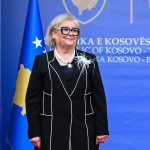
Kosovo’s New President Ends Political Deadlock, Opens a New Chapter
Change font size: - + Reset The election of respected academic Justina Shiroka-Pula averts another political crisis and highlights Kosovo’s tradition of female leadership and religious coexistence, while offering new prospects for