TIRANA, Oct. 23 – Europe’s single currency hit a surprise near five-month low against the Albanian lek this week, having embarked on a downward trend since mid-September 2018 after stabilizing at an average of 126 lek from last June when it hit a 10-year low.
The euro dropped to 124.83 lek this week, down 1.4 lek from early October when Albania raised €500 million in a new seven-year Eurobond to continue trading at a 10 year-low, having lost 6 percent since late 2017 and 10 percent compared to the mid-2015 level when its five-year reign of about 140 lek came to an end.
The new downward trend comes at a time when official euro inflows from tourism have sharply dropped following the end of the peak season which led the central bank to temporarily suspend its emergency intervention program last September.
Unlike the previous four months, in its early October monthly meeting, the central bank’s supervisory council did not decide to continue its emergency intervention operations to buy excess euros from the local currency exchange market in a bid to stop Euro’s free fall against the Albanian national currency and prevent a series of negative effects, primarily affecting Eurozone-destined exports.
Earlier this month, Bank of Albania governor Gent Sejko said the central bank would continue to keep its key rate at a historic low of 1 percent and that the end of the tourist season had balanced the euro to lek exchange rate even under conditions of lack of intervention by Albania’s central bank.
The new €500 million Eurobond issue, a considerable part of which is a buyback from a previous Eurobond, could have also had a psychological effect on expectations about the free floating exchange rate regime determined by market demand and supply.
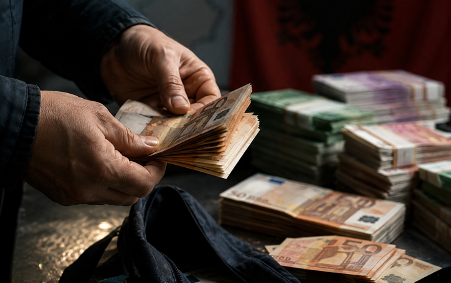
However, the main opposition Democrats and some economy experts argue illegal euro inflows from alleged crime and drug proceeds and money laundering in the construction sector is main reason behind euro’s free fall this year.
Euro’s free fall has had a series of negative effects for Albania’s highly euroised economy, mostly hitting Eurozone-destined exports, local producers facing tougher competition from cheaper imports and sizeable Euro-denominated savings and remittances.
On the positive side, repayment of loans has become cheaper for about half of borrowings denominated in euro and the government’s external debt although the government was forced to revise down its 2018 budget on lower tax income from imports due to the euro-depreciation effect.