
TIRANA, Nov 18 – Transparency International’s 2009 Corruption Perceptions Index (CPI) ranked Albania 10 points less than last year, or 95 from 85 in 2008.
That was a significant sign that corruption in this tiny Balkan country, now a NATO member and hoping to become also member of the European Union in the future, is still high and that efforts done up to the present have not been efficient.
Bosnia and Russia are the only countries remaining behind Albania in the ranking.
As the world economy begins to register a tentative recovery and some nations continue to wrestle with ongoing conflict and insecurity, it is clear that no region of the world is immune to the perils of corruption, according to Transparency International’s 2009 Corruption Perceptions Index (CPI), a measure of domestic, public sector corruption released today.
“At a time when massive stimulus packages, fast-track disbursements of public funds and attempts to secure peace are being implemented around the world, it is essential to identify where corruption blocks good governance and accountability, in order to break its corrosive cycle” said Huguette Labelle, Chair of Transparency International (TI).
Albanian opposition Socialists immediately reacted saying that was a clear sign of the government corruption, specifically aiming at Prime Minister Sali Berisha and his family.
The governing Democrats also reacted, blaming Socialist leader Edi Rama for his corruptive methods in the Tirana city hall which he runs.
The vast majority of the 180 countries included in the 2009 index score below five on a scale from 0 (perceived to be highly corrupt) to 10 (perceived to have low levels of corruption). The CPI measures the perceived levels of public sector corruption in a given country and is a composite index, drawing on 13 different expert and business surveys.
Highest scorers in the 2009 CPI are New Zealand at 9.4, Denmark at 9.3, Singapore and Sweden tied at 9.2 and Switzerland at 9.0. These scores reflect political stability, long-established conflict of interest regulations and solid, functioning public institutions.
Overall results in the 2009 index are of great concern because corruption continues to lurk where opacity rules, where institutions still need strengthening and where governments have not implemented anti-corruption legal frameworks.
The Corruption Perceptions Index (CPI) measures the perceived level of public-sector corruption in 180 countries and territories around the world. The CPI is a “survey of surveys”, based on 13 different expert and business surveys
The confidence range indicates the reliability of the CPI scores and tells us that allowing for a margin of error, we can be 90% confident that the true score for this country lies within this range.
More Corruption In 2009

Change font size:
Latest from News
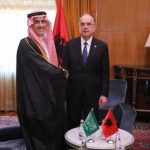
Saudi Ambassador Presents Credentials To Albanian President As Ties Gain Momentum
Change font size: - + Reset Tirana Times, June 05, 2026 – Saudi Arabia’s new ambassador to Albania, Turki Ibraheem Almadhi, presented his credentials to President Bajram Begaj, marking the formal start

Germany’s New Enlargement Formula and Albania’s European Illusion
Change font size: - + Reset For Albania, the real issue is not which accession model Europe chooses, but whether democracy, rule of law, and state integrity can still be restored. By

Pushing Against Inertia: How Harnex Is Testing the Balkans’ Appetite for Innovation
Change font size: - + Reset Tirana loves a good spectacle. Walk through the capital today and you are greeted by sleek new glass towers, vibrant urban spaces, and a relentless political
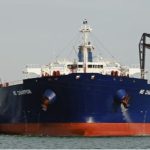
Shadow Fleet, Weak Oversight: How Russian Sanctions Evasion Reached Albania’s Ports
Change font size: - + Reset Tirana Times, May 18, 2026 – Albania’s ports have emerged as a potential weak point in the international effort to enforce sanctions against Russia, following revelations
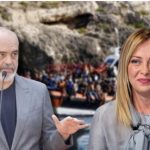
Albania–Italy Migration Deal Continues
Change font size: - + Reset Tirana Times, May 13, 2026 — The Albania–Italy migration agreement remains in force, despite a brief but politically sensitive controversy triggered by comments from Albanian Foreign Minister Ferit