
TIRANA, Dec, 13 – Speaking at a ceremony on International Human Rights Day, marking the 61th anniversary of the Universal Declaration of Human Rights, OSCE Ambassador Robert Bosch hailed Albania’s accession into NATO and the submission of Albania’s application for EU candidate status both in April. On top of this is the current optimism amongst national actors over the visa liberalization process, he said.
But he also said that June’s parliamentary elections were a central moment of the year.
The ambassador said that the Final OSCE-ODIHR report stated that these elections “met most OSCE commitments”.
In order to address the shortcomings, he said, it is important that the recommendations made in the Report are implemented as soon as possible inside the Albanian Assembly, so facilitating the effective preparation of local government elections due in 2011.
That was a clear call upon the opposition to end its parliamentary boycott.
The opposition, which has 65 seats in the 140-seat parliament, wants an investigation of what he says deformation of the vote count, as it was also stated at the OSCE-ODIHR report (one-third of the vote process was badly or very badly held).
On the rule of law, Bosch said progress was seen in efforts to create an administrative court system while the parliament also approved amendments to the Law on the Organization and Functioning of the Prosecution Office.
In the fight against corruption, Albania adopted a significant amount of necessary legislation and also established online systems for business registration and procurement.
“However, having said all of this, there is still much work to be done,” he said.
“We need to see all legislation implemented fully and more effectively according to International standards. We need to see that the judiciary can further develop as a totally independent institution free from political interference, with the constitutional separation of powers being further strengthened. Finally, we need to see a more concentrated and focused campaign in the fight against corruption, respecting the rule of law, as current levels remain high. ”
The latter were clearly directed against the government which is basically responsible for these processes.
Bosch said that for Albania 2010 will clearly be another important year for its continuing integration aspirations.
“A main precondition for continued success will be a return to a broad based consensus on matters of national interest which has previously existed. Political actors have to show a greater political will and maturity to ensure that conditions exist for the on-going reform process to continue at a pace suitable for a country with well known integration aspirations.”
Bosch reminded local politicians that they had shown in recent times, “ƴhat such a will and such a maturity can be achieved.”
“Now it is in the first place for the Government to reach out and play an integration role here. That being said it also means that a constructive role has to be played by the Opposition.”
In another event last week, a round table on the fight against corruption, Bosch said that Albania had undertaken several bold anti-corruption measures in recent years.
“However, Šcorruption remains prevalent in many sectors in Albania.”
Because of a lack of transparency and an unclear legal basis to underpin property rights, corrupt practices are harder to tackle, while it undermines the goal of creating a functional land market.
Transparency of party financing also remains a concern.
The commitment of the national authorities to combat corruption is not always mirrored by consistent implementation of existing legislation and the application of law enforcement.
The fight against corruption cannot be won without a functional judiciary. The Albanian judiciary must establish itself as a body that is fully independent. This means independent of political influence, but it also means that judges cannot be bought or pressured by parties to cases, said Bosch.
The ambassador said they had seen recently a certain lack of transparency in the handling of cases of alleged corruption.
A free media is as important as a crucial medium for creating more openness in decision making processes. A free media must serve as a strong and vigorous instrument to expose possible corruption in public life and thus deserves special protection.
Bosch also noted “perhaps a major insufficiently used potential for countering corruption.”
“As Albania steps into 2010, marking twenty years since the fall of communism, it would surely be a major disappointment if the major progress made by the country in social, political and economic reforms be derailed by an inability to tackle the root causes of corruption and thus delay the moment when Albania finally realizes all of its EU aspirations.”
OSCE tells politicians to sit down in dialogue, better fight corruption

Change font size:
Latest from News
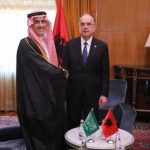
Saudi Ambassador Presents Credentials To Albanian President As Ties Gain Momentum
Change font size: - + Reset Tirana Times, June 05, 2026 – Saudi Arabia’s new ambassador to Albania, Turki Ibraheem Almadhi, presented his credentials to President Bajram Begaj, marking the formal start

Germany’s New Enlargement Formula and Albania’s European Illusion
Change font size: - + Reset For Albania, the real issue is not which accession model Europe chooses, but whether democracy, rule of law, and state integrity can still be restored. By

Pushing Against Inertia: How Harnex Is Testing the Balkans’ Appetite for Innovation
Change font size: - + Reset Tirana loves a good spectacle. Walk through the capital today and you are greeted by sleek new glass towers, vibrant urban spaces, and a relentless political
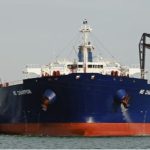
Shadow Fleet, Weak Oversight: How Russian Sanctions Evasion Reached Albania’s Ports
Change font size: - + Reset Tirana Times, May 18, 2026 – Albania’s ports have emerged as a potential weak point in the international effort to enforce sanctions against Russia, following revelations
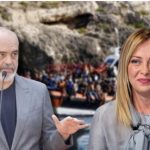
Albania–Italy Migration Deal Continues
Change font size: - + Reset Tirana Times, May 13, 2026 — The Albania–Italy migration agreement remains in force, despite a brief but politically sensitive controversy triggered by comments from Albanian Foreign Minister Ferit