
TIRANA, Aug 15 – The 100th anniversary of Albania’s independence is the focus of this year’s 31st international seminar on Albanian language, literature and culture where more than 100 Albanologists from around the world are taking part. The seminar scheduled for August 13 to 25 is being held at the University of Prishtina, Kosova.
“This year’s edition corresponds to the 100th anniversary of the foundation of the Albanian state. A special roundtable and other scientific events related to this event will be held,” said Bardh Rugova, the director of the seminar.
Albanian language and Albanian literary research from 1912-2012 will be the focus of the seminar. Special tribute will also be paid to late Kosovo poet Ali Podrimja who passed away last July.
“The Seminar was an institution that kept alive the Albanian culture and national tradition. This was made possible through friends and sympathizers of Albanology who came here and became the most meaningful ambassadors to portray through the great door of culture who we were, what we do and what we target,” said Kosovo’s Education Minister Rame Buja.
The seminar was founded in 1974 by the University of Prishtina. From 1989 to 1999, due to the repressive policies of Serbia, the seminar was forced to cease its activities starting again in 2000. The main purpose of this seminar is familiarity with albanologists worldwide, advancement of the Albanian language in the linguistic world and promotion of the Albanian literature and culture in the world civilization.
Albanian is a language of the extensive Indo-European family and is thus related to a certain degree to almost all other languages of Europe. The Indo-European character of the language was first recognized in 1854 by the German linguist Franz Bopp (1791-1867). At the same time, Albanian shows no particularly close historical affinity to any other language or language group within the Indo-European family, i.e. it forms a language group of its own.
The Albanian language is spoken by over six million people in the southwestern Balkans, primarily in the Republic of Albania and in the neighbouring countries which once formed part of the Yugoslav federation (Kosova, Macedonia, Montenegro and Serbia). In Albania itself, the language is spoken by the entire 3 million population, including some bilingual ethnic minorities.
Centenary of independence, the focus of Albanian language seminar

Change font size:
Latest from Culture
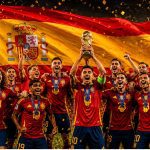
Spain Rules the World Again
Change font size: - + Reset Spain clinches second FIFA World Cup title as Europe continues its dominance on football’s biggest stage By Gautam Karve, Editor-in-Chief, World Media Organization Tirana Times, July
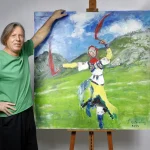
K’cimi dancing of Tropojë – Gazmend Freitag
Change font size: - + Reset by Monika Grill Tirana Times, July 11, 2026 – “K’cimi i Tropoja” – the dance that endured over centuries and kept the Albanian identity alive, has
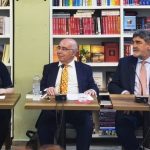
In Search of Albania’s Soul: Manuel Montobbio Returns to Tirana Through Literature
Change font size: - + Reset Tirana Times, July 02, 2026. The Albanian Institute for International Studies and Tirana Times book house hosted a special literary evening in Tirana with Ambassador Manuel Montobbio, diplomat, writer, poet

This Auditorium Comes With a Price Tag -Corruption in Albania’s Public Universities
Change font size: - + Reset Corruption remains one of Albania’s most stubborn obstacles toward development and its dream for European integration. Although the country marked its biggest historical leap in Transparency
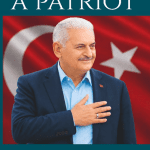
The Heart Of A Patriot That Beats For The People
Change font size: - + Reset by Dr. Jorgji Kote Tirana Times, June 11, 2026 – ”Heart of a patriot” is the new book dedicated to Binali Yildirim, an outstanding political leader and personality