TIRANA, Feb. 2 – Vaclav Havel’s The Beggar’s Opera satirical comedy is making its comeback at the National Theatre this weekend after its last December premiere.
Directed by Albania’s Mehmet Xhelili, the play written by the late Czech Republic president in the early 1970s also has parallels with Albania which experienced Europe’s harshest communist regimes until the early 1990s.
“This is a work that draws parallels to both the system we went through and the system we face today. It tackles topics related to the criminalization of state, extreme compromises that are made only for money, power and glory, topics which have gone too far in the Albanian society nowadays,” director Xhelili has said.
“This is what I appreciate most from this author and this work which I love so much and above all I want it to speak to the Albanian public. We live in another society. In one way or another, art must provoke and soften the tone. This work is a challenge for artists,” the director adds.
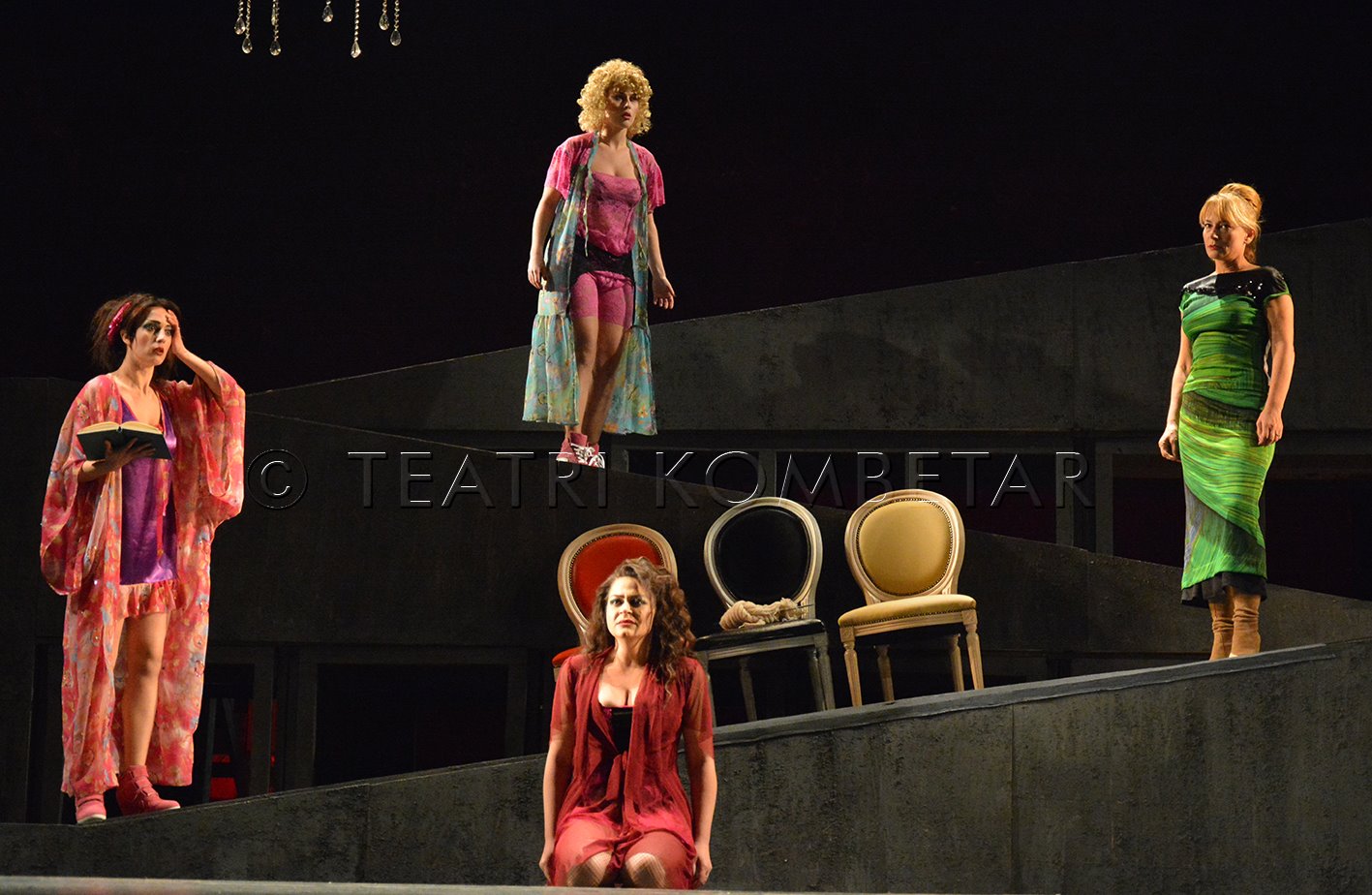
Starring Arben Derhemi, Alfred Trebicka, Olta Gixhari and Niada Saliasi, the play will stage this weekend at the National Theatre on February 3, 4 and 5.
“Creative scenography by Genc Shkodrani, timeless costumes by Anila Zajmi as well as original music by Endri Sina enhanced the up-to-date effect of satirical content. Great artistic performance of prominent Albanian actors, highlighted by presentations of Arben Derhemi and Alfred Trebicka together with witty dialogues in fast moving tempo delighted the present audience,” the Czech embassy in Tirana wrote about last December’s premiere of the satirical play.
The Beggar’s Opera is a free-wheeling, highly politicized adaptation of John Gay’s well-known eighteenth-century work of the same name. The play, reminiscent of Havel’s earlier Garden Party and The Memorandum, is up to his best satirical standard. Like the Brecht/Weill Threepenny Opera, Havel’s play uses an underworld milieu to explore the intermingled themes of love, loyalty, and treachery.
The play comes after Albania commemorated Vaclav Havel, through a series of events, including exhibitions, film screenings, lectures and discussions last January.
One of the most influential political figures of the late 20th century, Vaclav Havel is first and foremost a playwright, poet and philosopher who started his political career as an opposition leader to later become the last president of Czechoslovakia and the Czech Republic’s first.