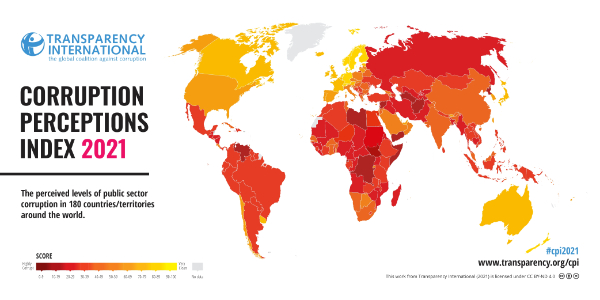
TIRANA, Jan. 25 – Albania lost one point and six spots in its ranking in the latest annual global Corruption Perceptions Index published by Transparency International.
It ranked 110th out of 180 in the world, with a score of 35 in the 2021 report. The lower the score, the worse a country performs.
Experts note that the most worrying fact is that there appears to have been no progress in the past decade. In 2012, Albania scored 33 and ranked 113. It then lost ground from the high score of 39 and rank of 83rd in 2016, when the country approved a comprehensive justice reform, which appears to have not met expectations on corruption perceptions as the years progressed.
The government’s pressure on independence of free media and protests was a major factor that hurt Albania this year.
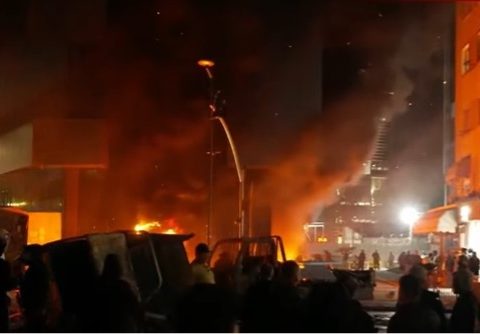
In Albania, the report notes, “journalists suffer lawsuits and intimidation, including excessive control of information related to COVID-19 responses. Moreover, concerns over police violence during demonstrations and breaches of freedom of assembly have been registered throughout the pandemic.”
The report’s findings were met with public reactions by political leaders in Albania.
Albanian President Ilir Meta said in a statement the report is further affirmation of a pressing problem and urged for “an end to the impunity of corruption, which has continued to get worse in Albania.”
Meta added that he had previously warned about the low level of democracy in the country, lack of respect for freedoms and human rights, use of the pandemic to strengthen authoritarianism, lack of accountability at all levels and abuses of public funds.
“This difficult situation requires immediate and responsible reflection, because it continues to kill hope and force more and more Albanians to leave the country, to build their futures outside Albania,” Meta said.
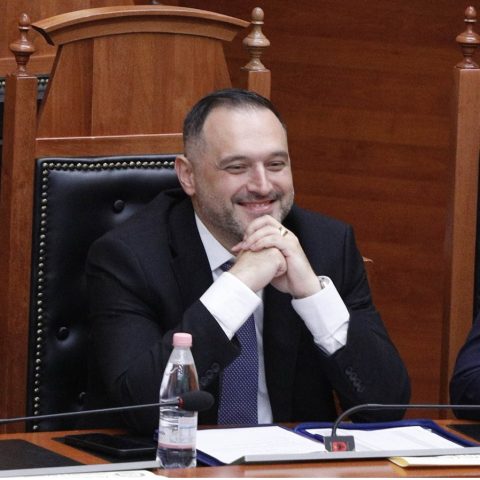
Justice Minister Ulsi Manja, who also serves as the government’s national anti-corruption coordinator, said the annual Corruptions Perceptions Index would offer “further impetus and assistance in the efforts against the phenomenon.”
Manja added that “the fight against corruption is not the task of only one agency or a state institution, but is done through cooperation and interaction.”
He said that “corruption arises in non-standard public services, and the government is trying to improve these services, to minimize the possibility of corruption.”
Various opposition representatives also raised their concerns about Albania’s poor performance in the index.
In the region, Kosovo did better, with 39 points, three higher than last year. North Macedonia moved up from 35 to 39. Montenegro was the regional star with 46 points.
Globally, Denmark, Finland and New Zealand shared the first spot with a score of 88. South Sudan ended the list with 11 points.
In a general observation, the report also notes that governments across the region have used COVID-19 as a pretext to further clamp down on critical voices, passing restrictive laws, suppressing free speech and access to information, and undermining judicial independence.
These human rights violations have increased corruption risks, making it even more challenging to oversee how relief funds are spent and hold governments to account.
“The pandemic was also used as an excuse to reduce oversight and accountability for public procurement and foreign aid spending, allowing corruption to spread widely,” the report’s authors concluded.