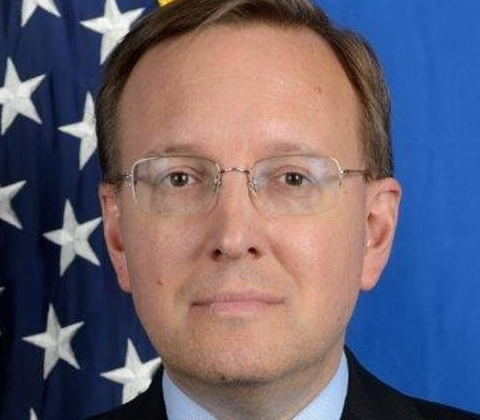
Neritan Ceka, a renowned archeologist and adviser to the PM on culture, said he was convinced the ancient park of Apollonia would become the tourism epicenter of southwestern Albania in the next five years
TIRANA, Dec. 7 – Shut down for safety reasons in the early 90s, the museum of Apollonia, the second biggest archeological park in Albania after Butrint, has reopened its doors after 20 years. Restored under UN and UNESCO assistance, the reopened museum in the southwestern district of Fier, features 750 archeological items and ancient coin treasuries, displayed in a 1,000 m2 area.
Inaugurating the new museum this week, Neritan Ceka, a renowned archeologist and adviser to the PM on culture, said he was convinced the ancient park of Apollonia would become the tourism epicenter of southwestern Albania in the next five years.
Culture and Tourism Minister Aldo Bumci described the reopening of the museum as an opportunity to further boost Albanian cultural heritage tourism.
Last year, some important ancient discoveries were made in Apollonia, where Albanian and French archeologists discovered two busts and a giant promenade.
Excavations in the Apollonia began during World War I by Austrian archaeologists. The process continues as it is believed that most of the city is still deep below Apollonia’s hills.
Established in the 7th century B.C., by Greek settlers, the ancient city of Apollonia is located 11 km to the west of the modern city of Fier.
Among the most interesting monuments are the Bouleterion (city council), the library, the triumphal arch, the temple of Artemis, the Odeon built in the 2nd century B.C., the two-storey 77 m long Stoa, a theater with a capacity of 10,000 spectators, and the Nymphaeum, a monumental water fountain covering an area of 2000m2.