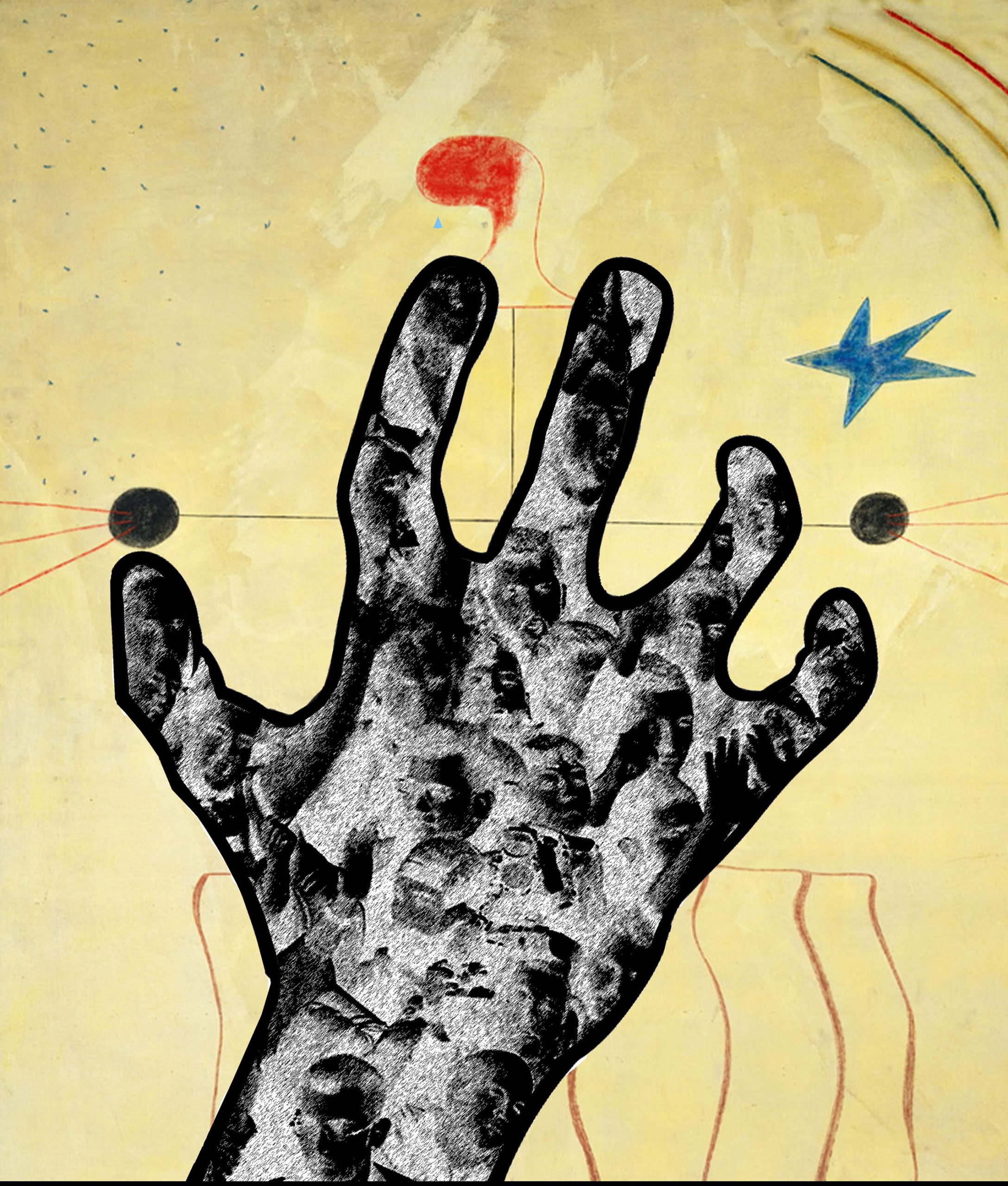
The International Human Rights Film Festival in Albania (IHRFFA) opened the doors of its 12th edition this Monday in Tirana, for a week of movies and documentaries’ screenings aimed at raising awareness among Albanians concerning human rights issues. The festival, taking place at the Marubi Film and Multimedia Academy, features thirty-nine movies of various topics, such as radicalism and populism, domestic violence, urban planning and social media communication, and it is open to the public.
Since its debut in 2006, the festival has attracted an international crowd as much as a domestic one, with human rights organizations operating in Albania (such as OSCE Presence, UNICEF, etc) and a number of Embassies joining the cause of educating people with human rights concepts and worldwide issues.
Theodore S. Orlin, Honorary President of the IHRFFA and Distinguished Professor Emeritus of Human Rights Advocacy, stated the following concerning the cultural activity: “Let us consider the human rights issues that impact the lives of people. As we watch these films les us consider the actions we need to advocate to insure that future generations can enjoy life with the ultimate realization that the universal respect of human rights includes the protection of our children, spouses, the elderly, significant others and ourselves. Let us be mindful that there are forces that appeal to popular support that are destructive to human rights.”
A perfect blend between culture and politics, domestic political and legal figures could not be absent from supporting the cause and using the festival as a chance to promote awareness and a deeper understanding of human rights. Mayor of Tirana, Erion Veliaj, communicated this aim by saying that “nothing is of more value at these times we are living than an opportunity for dialogue, for it is the very best antidote against the venom of radicalization and populism, these sides of the same coin, which are undoubtedly the greatest challenges of our time.”
Indeed, a great opportunity for dialog was created the third day of the festival, on Wednesday, when the screening of the 2016 Kosovo short movie, titled ‘Home’, was done in the presence of a group of imprisoned Albanian women, brought to the Academy by the authorities as a rehabilitation activity and a way to converse with the outside world.
Written and directed by Kosovo artist More Raà§a, ‘Home’ is a drama centered on Hava, a woman in her 30-s who, after the death of her parents, lives with her brother and works a poorly paid job. According to traditional Kosovo custom, the inheritance left by her parents belongs to Hava’s brothers, who exclude her from family property and decide to marry her off – not an optimal solution for Hava’s expectations of her future and her sexual preferences.
The screening was followed by a panel discussion among personalities in the field of culture, politics and law. Among them was Arben à‡uko, the General Director of prisons in Albania, Xhoi Jakaj, the Director of the Women’s prison ‘Ali Demi’, in Tirana, Bernd Borchardt, Ambassador and Head of the OSCE Presence in Albania and Kujtim à‡ashku, Albanian director and screenwriter.
à‡ashku, opening the dialog between the women and the representatives of the political and legal world, said: “We have been trying to expand the communication space for twelve years. I am pleasured to welcome the Director of prisons among us and hope we can foster further activities in the future.”
The movie touched the imprisoned women, who already seemed grateful to be outside of the institution, and opened an hour long conversation during which they voiced their worries concerning their families and children, while also asking à‡uko to be treated more like mothers, sisters, daughters, and less like prisoners, whenever such thing is possible.
To this, à‡uko replied that the institution’s methodology is to always separate the individual from the crime, and respect the human rights of the imprisoned individual, by providing activities, rehabilitation and training to further raise their future chances for employment. However, he stated there are certain legal limitations in the ways he could treat the women and the freedoms he could provide them.
Borchardt, on the other hand, spoke in more general terms concerning human rights awareness in Albanian society, and especially those of women.
“Reaching progress in this field,” he said, “and improving the conditions of women in society, is something that societies have to work in themselves. It is also something to ask of courageous women, to work on this direction. The Western European societies have been going through these battles over the last fifty years; to speak about my own country, until 1969 you ended up in prison for same-sexual contacts, and it was only this year that same-sex marriage was introduced.
What the international community can do to support and encourage these processes? First of all, informing about the model of other societies and raise awareness that there are other ways of living together. The second aspect is to provide training for the executive institutions. What the international community can do is provide the training for police to react correctly on such occasions.”
The screening of Home concluded with Orlin asking the imprisoned women whether they see improvement of their conditions, and whether they see their families and children enough. Orlin stressed that children should never suffer the faults of their parents, thus it is vital that they see their mothers and spend time with them as much as possible. The women admitted to being able to see their families as many times as they asked, and particularly praised the work of Xhoi Jakaj, the Director of the Ali Demi Prison and advocate of women’s rights, as a woman who can be tough but also understanding and empathetic towards their needs and hardships. In response, Jakaj promised she would further advocate for the rights of the women inside and outside Albanian prisons and also expand these activities to further integrate the stigmatized women in our society.
The International Human Rights Film Festival will end on Saturday, the 23rd of September, with a cocktail and closing ceremony which will be attended by directors, writers and all contributing members of the event.
SIDONJA MANUSHI