
TIRANA, Nov. 23 – More than 40 pictures tracing back the ancient Via Egnatia linking Rome to Constantinople, (Istanbul) are being displayed at the Tirana Ekspres, the new alternative art space of the Albanian capital.
Organized by the Italian Institute of Culture, the “Apollo is Dead” exhibition is a contemporary art show by Italian born, Albanian-based artist Francesco Acone.
The “Reburs” journey exhibition features pictures the Italian artist took in his trace of the ancient Via Egnatia in Albania, Macedonia, Greece, and Turkey.
Apollo was known as the god of poetry, music, archery, prophecy, justice, law, order and the art of healing. He also happened to be associated with the care of different herds and crops. He has been depicted many different ways and in many different paintings. One of the most famous is that of Apollo Belvedere, an ancient statue that resides in Rome.
The exhibition will remain open until November 30 at the Tirana Express art centre, near the train station.
In an exhibition in early 2011, photos of the “Ad Quintum,” a well preserved station of the Egnatia road in the small Bradashesh village in Elbasan, and other traces including reliefs, bridges were shown in Elbasan.
The Via Egnatia is an ancient roman road constructed in the second century BC. The road stretched from Durres, on the eastern shores of the Adriatic Sea, through the Balkans, to Constantinople. It serves as a tangible reminder of the importance which the region that now constitutes the Western Balkans enjoyed for centuries. The route which extends through present day Albania, Macedonia and Greece into Turkey was the principal connection between Greece and Rome, the capital of the empire. With the rise of the Byzantine Empire, it continued to serve as an important link between Eastern and Western Europe.
In Albania the Via Egnatia connected the important towns of Durres and Apollonia. The port of Durres was opposite Brindisi on the Western coast of the Adriatic, a stretch that could be navigated fairly easily by ship. From Brindisi there was a direct route to Rome on the famous Via Appia. The Via Egnatia was thus a direct extension of the main road to Rome, making the port of Durres a natural gateway to both Italy and the Balkans.
Italian artist traces back ancient Via Egnatia

Change font size:

Latest from Culture

Spain Rules the World Again
Change font size: - + Reset Spain clinches second FIFA World Cup title as Europe continues its dominance on football’s biggest stage By Gautam Karve, Editor-in-Chief, World Media Organization Tirana Times, July
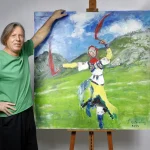
K’cimi dancing of Tropojë – Gazmend Freitag
Change font size: - + Reset by Monika Grill Tirana Times, July 11, 2026 – “K’cimi i Tropoja” – the dance that endured over centuries and kept the Albanian identity alive, has
In Search of Albania’s Soul: Manuel Montobbio Returns to Tirana Through Literature
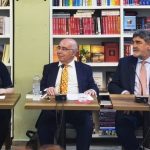
Change font size: - + Reset Tirana Times, July 02, 2026. The Albanian Institute for International Studies and Tirana Times book house hosted a special literary evening in Tirana with Ambassador Manuel Montobbio, diplomat, writer, poet

This Auditorium Comes With a Price Tag -Corruption in Albania’s Public Universities
Change font size: - + Reset Corruption remains one of Albania’s most stubborn obstacles toward development and its dream for European integration. Although the country marked its biggest historical leap in Transparency
The Heart Of A Patriot That Beats For The People
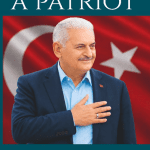
Change font size: - + Reset by Dr. Jorgji Kote Tirana Times, June 11, 2026 – ”Heart of a patriot” is the new book dedicated to Binali Yildirim, an outstanding political leader and personality