
PRISHTINA, Sept. 24- The Contemporary Art Center in Pristina hosted the first session in a series of discussions entitled, “Politics and Contemporary Art”, through the exploration of a sensitive topic, self determination as resistance. Expression in art and the form of expression have puzzled scholars for ages, from the simplest demonstrative billboards to televised debates. Society can use artistic expression to foster a political agenda. The session studied the phenomenon of art being used as a political device, the distinction between activism and active art practice. The debate was opened by the Finish artist, Tina Kvina, who has also worked in Albania and Sweden. Kvina focused on artistic activism and the way institutions influence art to turn it into political means. Through photography, she illustrated examples of art forms expressing dissent at political events. Sociology scholar Besnik Pula examined the hypothesis of tension between art and politics. Pula said this topic was relevant in Kosovo for the situation prevailing there. He insisted on the one sided argument that art should not become political. “If we take Emanuel Cant’s definition of art as a sphere where esthetic sensibilities of the human being meet, then modern history presents us with an example where politics absorbed esthetics and this example was fascism,” Pula said. He explained that while accepting art’s potential influence on politics, the reverse should not be permissible. When talking about the self determination movement, its radicalism is fed by the perception that art has become absorbed by a resistance towards power, he concluded. Another participant in the debate was Shkumbim Brestovci from studio “Rrota”, who approached the self determination movement’s marketing aspect. He explained that some of the rebellious graffiti in Pristina are ugly and remind him of the socialist realist art. Ignoring the message that this works offers, which may or may not be noble, Brestovci explained that they lack artistic esthetics. Glauk Konjufca contributed to the debate with the thesis “too threatening to be artistic.” Konjufca explained how the self determination movement has used artistic installations to express its message and cited the well-know philosopher, Slavoj Zizek, in the context of Kosovo. “The self determination movement is the only socio-political organization that seriously and fundamentally challenges the framework of what it calls the neo-colonialist regime of UNMIK. UNMIK gives to the people of Kosovo what Zizek calls formal liberty while the movement seeks actual liberty” Konjufca said.
Konjufca tried to sketch an outline for the historical progress of the self determination movement from a sensational small group sending messages and wrongly perceived as an alternative art scene as well. The problems began when the movement developed into being more than a voice, which was its original intent form the beginning. “At this point it started to be more than an opposition voice, (it became an) anti-existing power which gained popular sympathy,” he concluded.
Prishtina discusses self determination through art

Change font size:

Latest from Culture
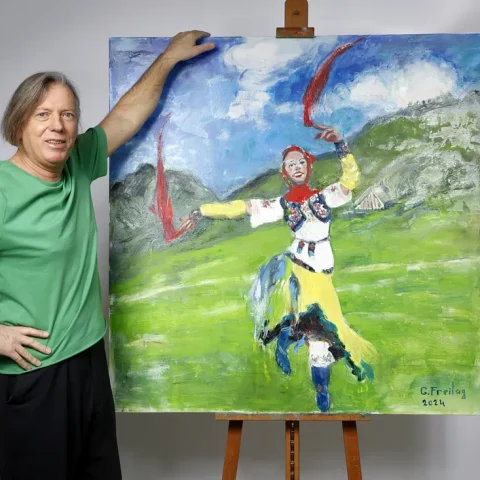
K’cimi dancing of Tropojë – Gazmend Freitag
Change font size: - + Reset by Monika Grill Tirana Times, July 11, 2026 – “K’cimi i Tropoja” – the dance that endured over centuries and kept the Albanian identity alive, has
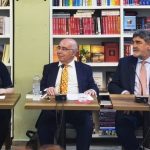
In Search of Albania’s Soul: Manuel Montobbio Returns to Tirana Through Literature
Change font size: - + Reset Tirana Times, July 02, 2026. The Albanian Institute for International Studies and Tirana Times book house hosted a special literary evening in Tirana with Ambassador Manuel Montobbio, diplomat, writer, poet

This Auditorium Comes With a Price Tag -Corruption in Albania’s Public Universities
Change font size: - + Reset Corruption remains one of Albania’s most stubborn obstacles toward development and its dream for European integration. Although the country marked its biggest historical leap in Transparency
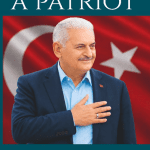
The Heart Of A Patriot That Beats For The People
Change font size: - + Reset by Dr. Jorgji Kote Tirana Times, June 11, 2026 – ”Heart of a patriot” is the new book dedicated to Binali Yildirim, an outstanding political leader and personality
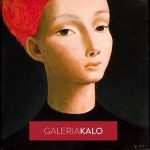
Where Art Meets Memory: The Gallery Kalo Journey
Change font size: - + Reset A Q&A with Gallery Kalo founder Përparim Kalo on art, cultural heritage and the gallery’s expanding vision along the Vjosa Valley. Introduction Gallery Kalo is more