TIRANA, Jan. 24- After 18 months of traveling throughout Albania, from northern Albania to Kadare’s Museal House in Gjirokaster, the “Back in time. Albania in the ‘90s” exhibition finally arrives to its final destination in Tirana.
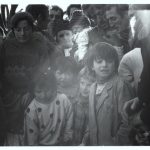
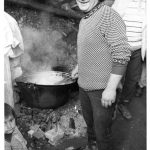
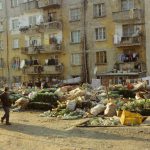
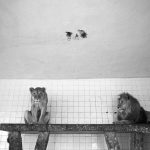
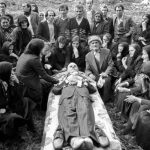
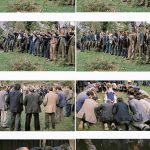
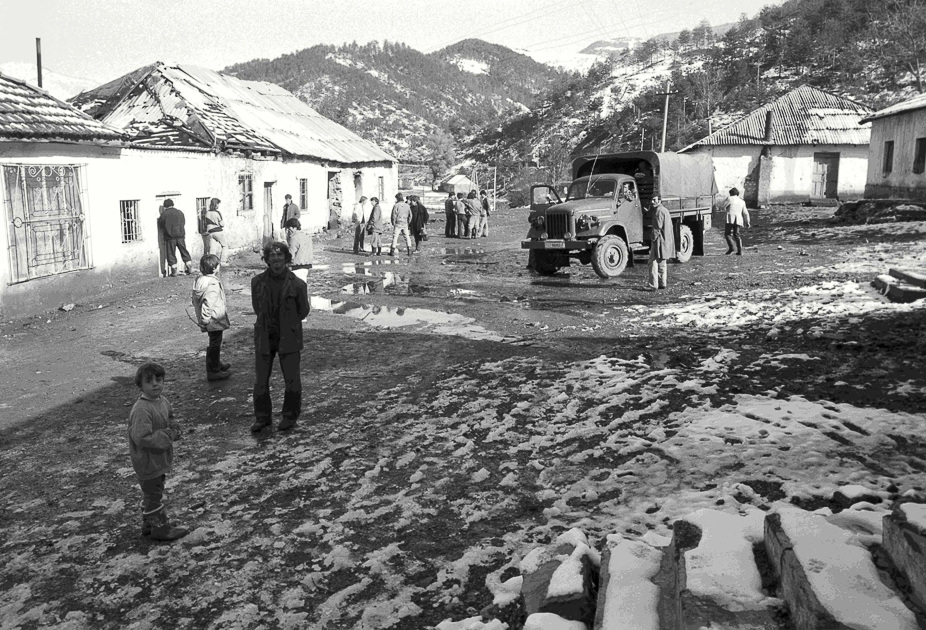
The exhibition is a series of pictures from Austrian photographer and anthropologist Robert Pichler taken about 30 years when Albania just made it out of the five-decade long communist regime. Curated by Edi Pula with the support of the Austrian Embassy, the exhibition was hosted by the National History Museum as part of its program of a series of exhibitions which allows Albanians to travel back in time and experience the historical roots of our presence.
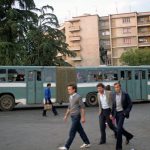
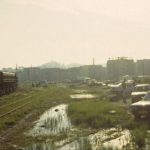
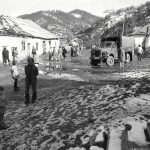
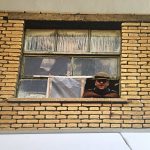
“It is a summary of the whole Albanian context from the ‘90s, in each aspect of life. How did they live, started from the streets, the transportation means, how did they eat, where did they go and what did they do, it is the Albania of those years,’’ said curator Pula.
The pictures are made in the north, an area quite well-known to photographer Pichler; there are pictures made in the south, pictures of people and their portraits, mortal rituals, Albanian weddings, blood reconciliations, etc.. It seeks to awaken the collective memory of the people, not more for nostalgia rather than as a message to reawaken a past that has slipped through our consciousness and perhaps, deal with it.
The exhibition started 18 months ago in the north of Albania. It was installed in a public bus operating in Tirana in the areas Kombinat-Kinostudio (the orange buses). The traveling bus was wearing the pictures of Pichler, thus making the pictures visible even to bypassers or drivers. More interurban buses were included in this massive exhibition, and some stations were even used as exhibition spots.
“Considering the returning back in time that these photos invoke, and also the invitation to temporarily position ourselves between the present and past, the idea of creating a moving exhibition was born, in parallel with the installed exhibition within the galleries or museums of hosting cities,’’ was said in describing the exhibition.
Pichler arrived in Albania in 1989 while a student. The country appeared strange and totally divergent to his homeland, Austria. However, there was something simultaneously tragic and beautiful about this chaotic semblance of a state that pushed Pichler to return over time and develop his artistic expressionist style.
“At that time, it was already obvious that the communist project had failed- the economy was rotting and society was in constant surveillance. The people we met were frightened, but also curious to meet with us. The first trip did leave a mark on me, my self-esteem was challenged, but I was tempted to return to that country as soon as possible,” said Pichler.
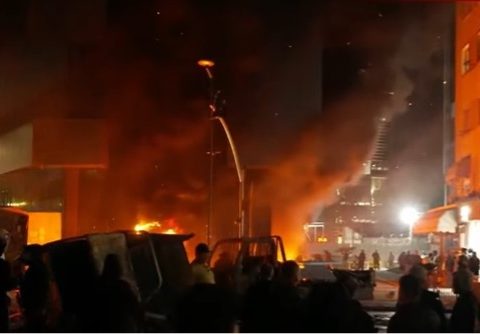
He returned three years later on a six-month scholarship for a research for the social changed in northern Albania. He recalls that the situation in Albania around this time had dramatically changed and that the country was undergoing a noisy transformation. This distracted him from his research, and caused him to be absorbed by the political riots.
It was a totally new beginning which destination remained uncertain. For many others, added Pichler, it was all a war for surviving, and as many were concerned in attaining their basic needs, it existed an incredible desire to get their long-refused right, Freedom. Freedom of thought and speech, freedom of movement, expression, modern technology.
“The country was flooded in imported goods, the pressure of movement appeared violently and cars, trucks, bikers, carriages, bypassers were displaced in the caravan streets, and bazaars started being built,” recalls Pichler.
The chaotic situation with restricted supplies on food, water and electricity reminded Pichler of stories being told by his grandparents. On the same he noticed this effort to recover something new, previously missed. People told him that Albania had all the means to be the Switzerland of Balkans, even though the past luck didn’t allow it. Now it was its time. Pichler started dipping in historical research, exploring the past and how it had shaped the future.
“The emotional meetings, together with the respect I found in the people, grew my interest for this country and its history, and this made to return here over time,” added Pichler.