TIRANA, Jan. 15 – Lower domestic production and orientation toward much more profitable foreign markets has led to a considerable increase in vegetable prices in Albania, a country where interest in fresh and dried vegetable cultivation has been on the rise in the past few years and much of the local production has been destined for exports.
Potato, onion, leek prices have registered sharp double-digit hikes in the past month, with traders blaming lower production from traditional areas such as Korà§a, southeast Albania, and more local products in the region of Fier, the breadbasket of Albania’s agriculture southwest of the country, destined for more profitable exports.
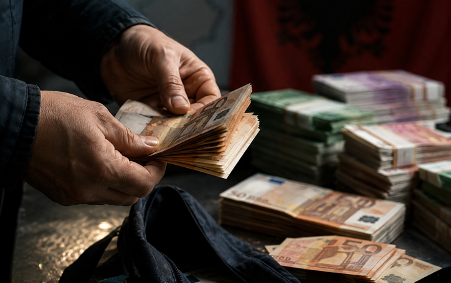
Potato and onion prices have soared to around 100 lek to 120 lek/kg (€1) during the first two weeks of January, almost double compared to a year ago, in prices that are considered too high for more than a quarter of Albania’s population relying on $5 a day.
Vegetable and potato prices have increased by a total of 25 percent in the past couple of years in the country, according to INSTAT, the state-run statistical institute.
Farmers’ decision to cultivate less potato and onion for 2018 was affected by the 2017 overproduction that led to considerable part of production being sold too cheap or go rotten lacking warehousing facilities.
In addition, much of the vegetable production in the Fier region is being destined for exports, with rising demand by regional and EU markets pushing local prices up.
However, poor orientation over market needs also plays a major role.
Albania had an overproduction in apples in 2018 with top quality fruit trading as low as 30 lek (€0.23), in prices not justifying huge production costs.
In addition, a considerable number of farmers in the southern Albanian regions of Fier and Berat have switched to new products such as berries and mushrooms, working under contract with foreign market operators even for traditional fresh vegetables.
Agriculture is a key sector of the Albanian economy that employs about half of the country’s population but which due to its poor productivity provides only about a fifth of the national output.
Experts say unclear property titles for around half of the country’s agricultural land is a key barrier for the development of larger farms and access to local and EU subsidies that could make Albania’s products much more competitive.
In addition to land fragmentation, poor financing, lack of subsidies and key infrastructure such as irrigation as well as a high tax burden are a serious problem for Albania’s agriculture sector, with high costs often making local products uncompetitive.
Due to the high tax burden applied on oil, at €1.4/liter, Albania has one of Europe’s highest fuel prices, and lack of subsidies sharply increase local product costs.